Author name: Joseph Campbell

Joseph Campbell is a mythology researcher, writer, and editor at Mythology Vault. He specializes in comparative mythology, covering Greek, Norse, Egyptian, Hindu, Japanese, Chinese, Aztec, Polynesian, Celtic, and Roman mythological traditions. His work focuses on making ancient myths accessible to modern readers while maintaining scholarly accuracy.

ancient serpent creature examined

Basilisk Lore Explored

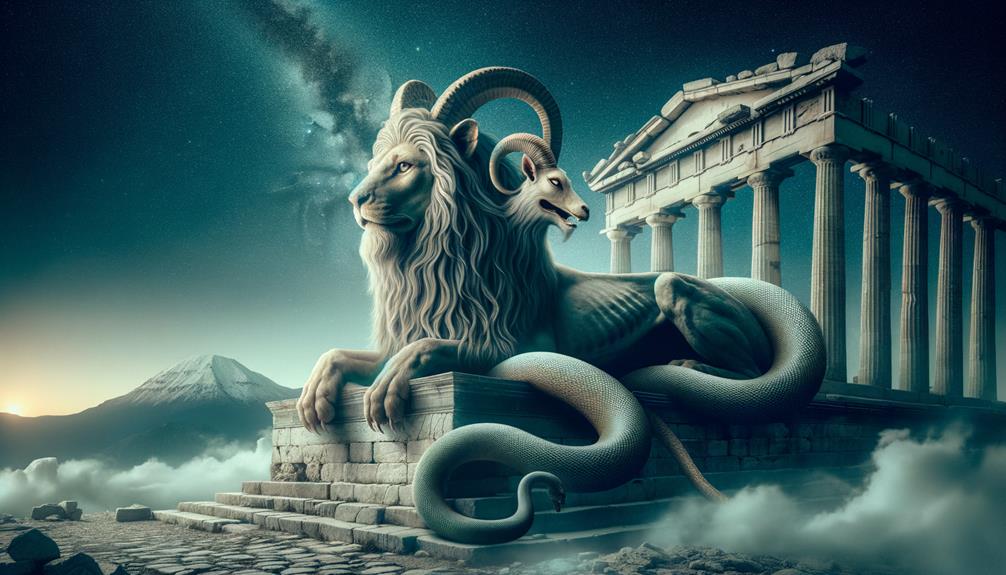
The basilisk began in classical literature as a small, deadly serpent. Medieval bestiaries expanded it into the king of snakes, and later European traditions increasingly mixed it with the cockatrice, a rooster-serpent hybrid. The enormous reptile that petrifies victims in modern fantasy is one late branch of a much older and less consistent tradition. Pliny’s

Basilisk Lore Explored Read More »

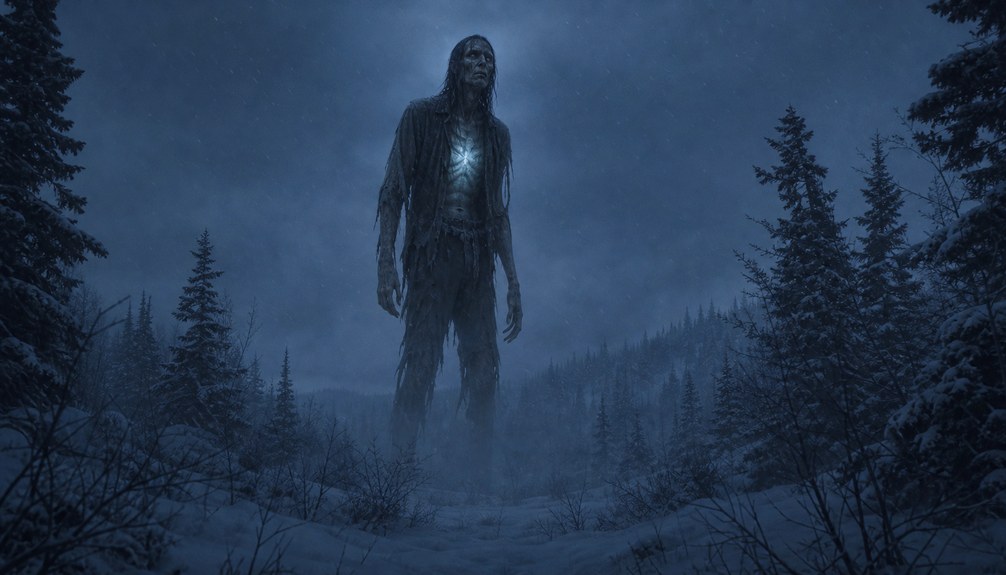
Gaunt humanlike Windigo figure in a northern winter forest

Wendigo Legends Explained

Windigo, also written Wendigo, Weendigo, Wiindigoo, and in other forms, names a cannibal being or condition in traditions of several Algonquian-speaking peoples. Ojibwe, Cree, Saulteaux, Naskapi, and Innu accounts are related but not identical. “Algonquian” describes a large language family, not one tribe with one set of beliefs. Hunger that can never be satisfied Many

Wendigo Legends Explained Read More »

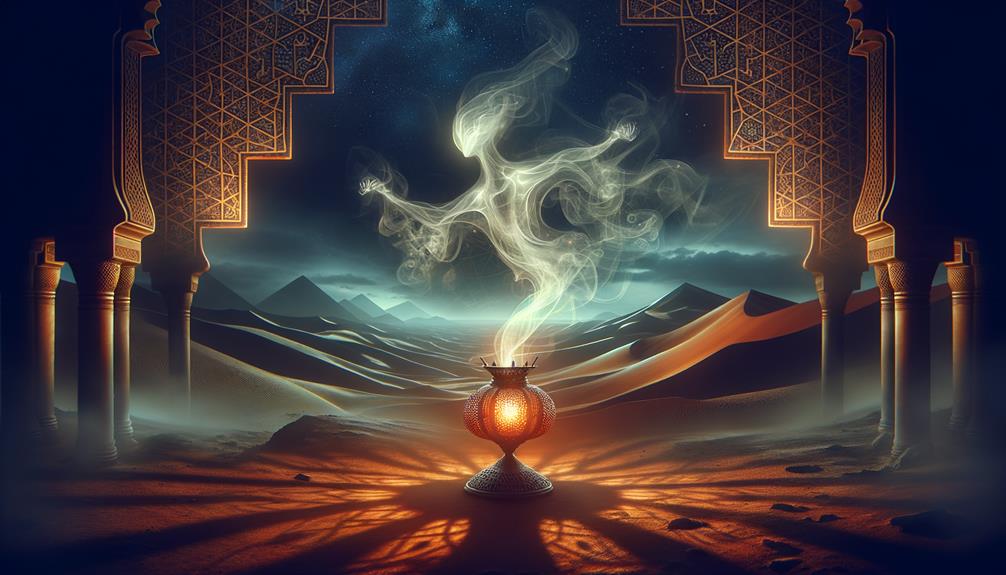
mythical beings of folklore

Jinn Mythological Profile

Jinn are beings described in the Quran, Islamic theology, Arabic literature, and many regional traditions. For Muslims who affirm the Quran, they are part of religious belief, not merely fictional monsters. Folklore and popular entertainment have added many details, so a careful profile must distinguish Quranic statements from later stories. Jinn in the Quran The

Jinn Mythological Profile Read More »

ancient origins of naga

Naga Mythical Origins

Naga is a Sanskrit word used for snakes and for a broad class of serpent beings in Hindu, Buddhist, and Jain traditions. Nagas are not one character with one origin story. Texts and artworks describe individual kings, queens, clans, guardians, enemies, and devotees whose roles differ by religion, region, and period. Forms and habitats Nagas

Naga Mythical Origins Read More »

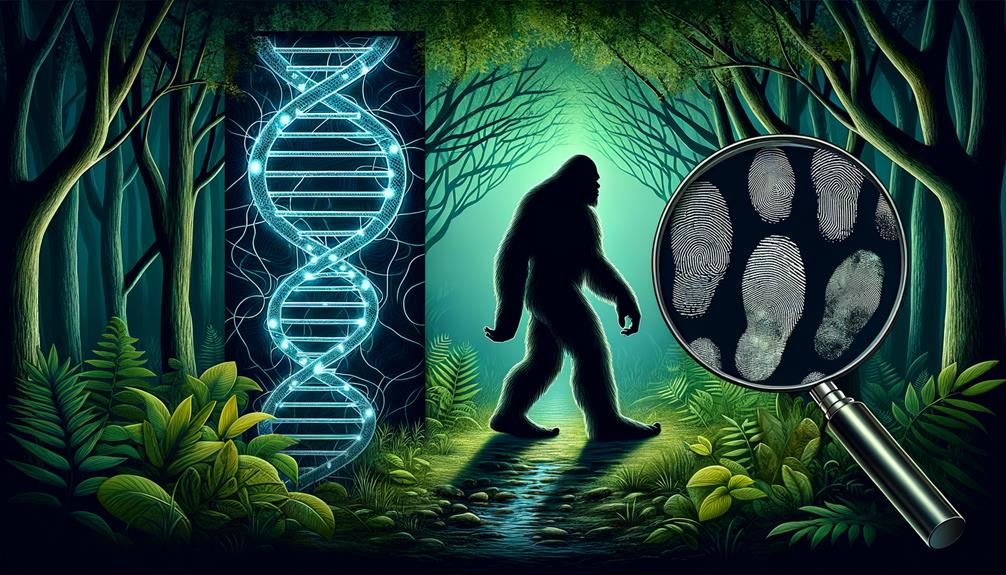
exploring bigfoot s possible existence

Bigfoot Existence Analysis

Bigfoot is the modern North American name for a large, hair-covered, human-like being reported mainly in forests of the Pacific Northwest. “Sasquatch” is an Anglicized form of Sasq’ets, a word from the Halq’emeylem language of southwestern British Columbia. The two terms are often used interchangeably today, but the modern Bigfoot story should not be treated

Bigfoot Existence Analysis Read More »

Scroll to Top