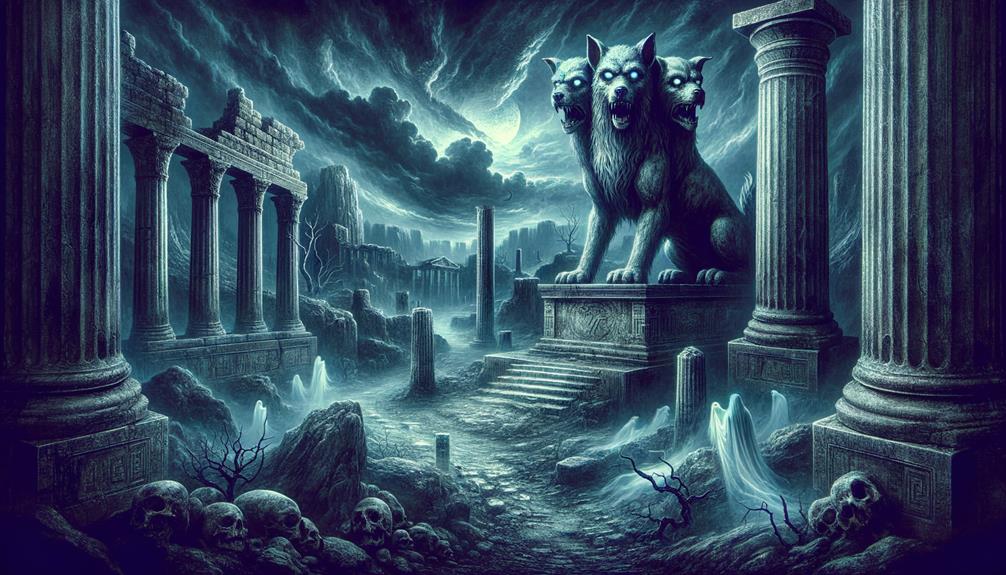
Cerberus Ancient Myths
Mystifying and monstrous, Cerberus Ancient Myths unravel the enigma of the fearsome gatekeeper of the underworld, beckoning deeper exploration into age-old mortality concepts.
Cerberus Ancient Myths Read More »
Mystifying and monstrous, Cerberus Ancient Myths unravel the enigma of the fearsome gatekeeper of the underworld, beckoning deeper exploration into age-old mortality concepts.
Cerberus Ancient Myths Read More »
Trace the intriguing tale of the Chupacabra, as science demystifies the legend behind this infamous beast.
Chupacabra Mystery Unveiled Read More »
The yeti is a figure in Himalayan and Tibetan Plateau traditions and a subject of twentieth-century mountaineering, journalism, and cryptozoology. It is often presented in English as one standard ape-like animal, but local names and accounts describe more than one kind of being. Western popular culture simplified that variety into the “Abominable Snowman.” Local traditions
Yeti Cultural Exploration Read More »
The Minotaur is a creature of Greek myth associated with King Minos of Crete, the Labyrinth built by Daedalus, and the Athenian hero Theseus. Ancient authors and artists did not preserve one perfectly consistent version. The number and timing of the Athenian victims, the Minotaur’s name, and details of the killing vary across the tradition.
Minotaur Myth Analysis Read More »
The Gorgons were three sisters in early Greek poetry: Stheno, Euryale, and Medusa. Hesiod describes Medusa as mortal and the other two as deathless. Later art and literature expanded their appearance, powers, and relationship with heroes and gods. Medusa and her sisters Hesiod places the Gorgons beyond Ocean near the region of Night. Perseus kills
Gorgons Medusa's Petrifying Sisters Read More »
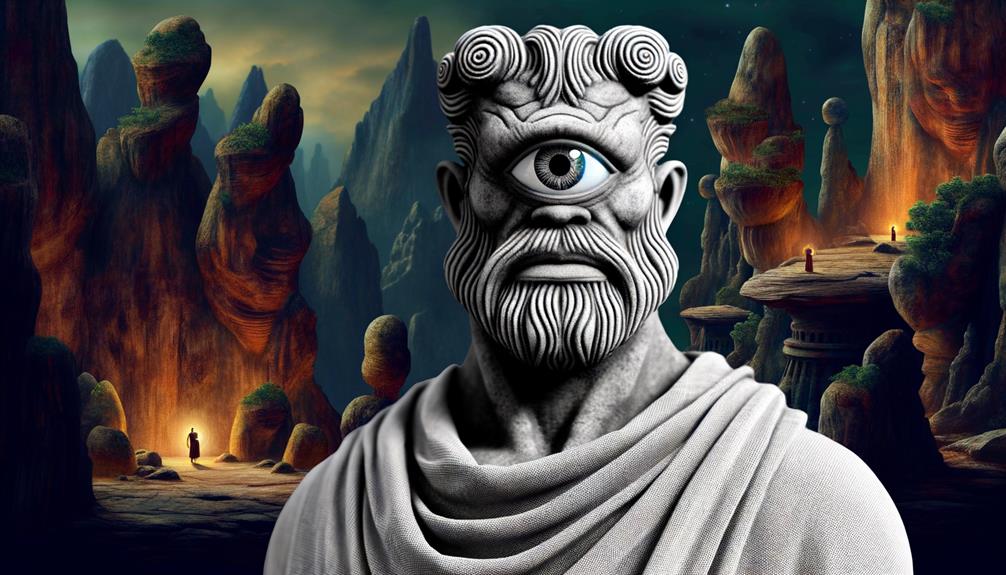
Cyclopes are one-eyed figures in Greek mythology, but ancient sources do not describe one uniform race with a single history. The divine craftsmen in Hesiod, the pastoral Cyclopes in Homer’s Odyssey, and later builders of massive walls belong to different traditions. Hesiod’s divine craftsmen Hesiod names Brontes, Steropes, and Arges as sons of Gaia and
Cyclops One-Eyed Giant Myth Read More »
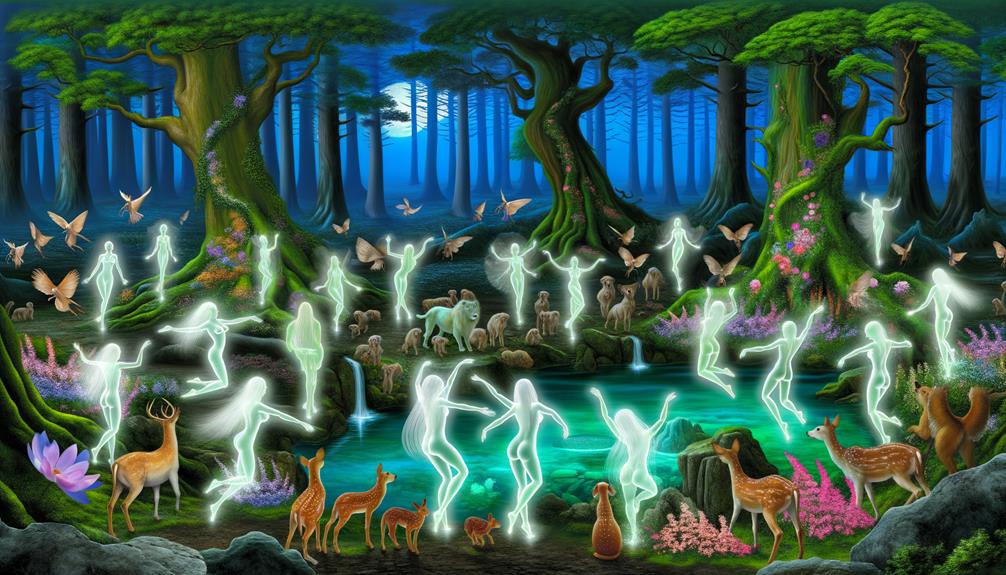
Nymphs were female divinities of the natural world in Greek religion and mythology. They could be connected with springs, rivers, trees, mountains, caves, meadows, or particular local places. They were divine, but ancient sources did not always treat every nymph as immortal. Many kinds of nymph Naiads belonged to fresh water, Oreads to mountains, and
Nymphs Enchanting Nature Spirits Read More »
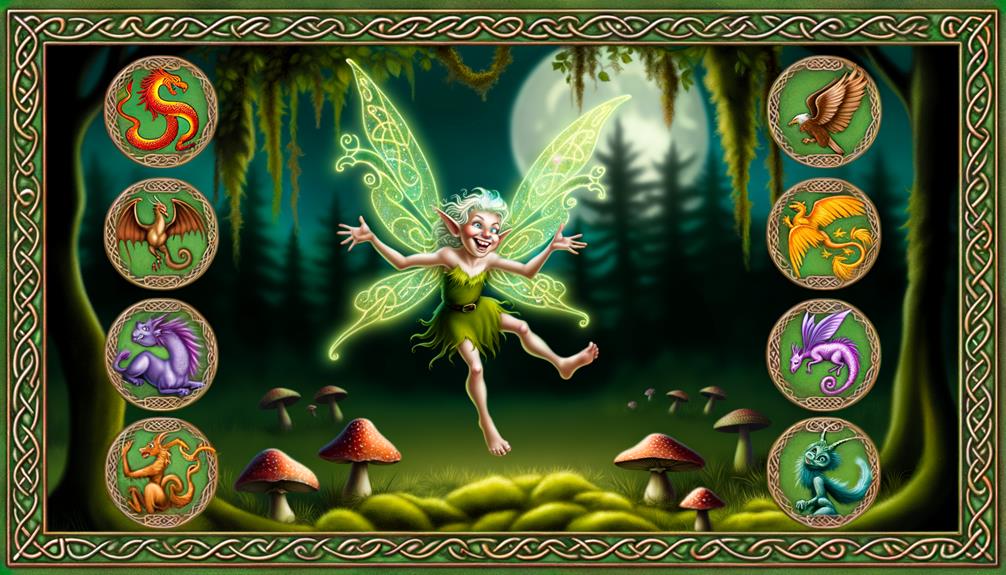
Pixies are small supernatural beings in the folklore of southwestern England, especially Devon and Cornwall. The Cornish form piskie is common, and stories vary from helpful household encounters to tricks that confuse travelers. Folklore and behavior People said to be pixie-led might lose their way on familiar ground, wander in circles, or become disoriented until
Pixie Mischievous Fairy Folklore Read More »
Kitsune is the ordinary Japanese word for fox, but Japanese literature, religion, and folklore also give foxes supernatural roles. They may serve the deity Inari, create strange lights, transform into people, deceive a household, repay kindness, or become a spouse. No single division into “good” and “evil” foxes covers the full tradition. Foxes and Inari
Kitsune Cultural Myths Read More »
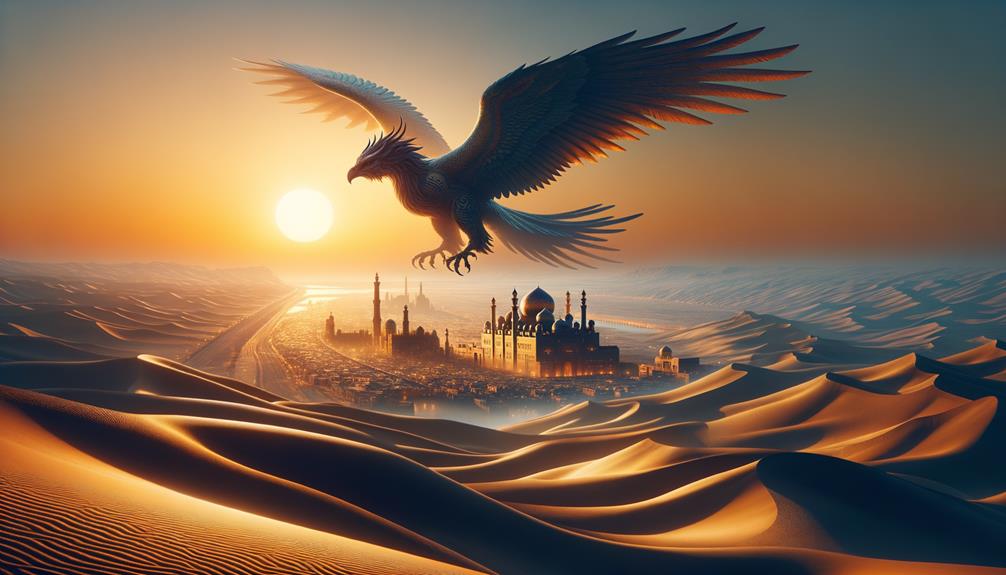
The roc is a gigantic bird in Arabic and Persian storytelling, best known from voyages attributed to Sindbad the Sailor. It belongs to literary and oral tradition, not to Egyptian religion and not to zoology. The roc in the surviving tradition In the Sindbad cycle, the bird is so large that its egg appears like
Roc Mythology Profile Read More »