Creatures

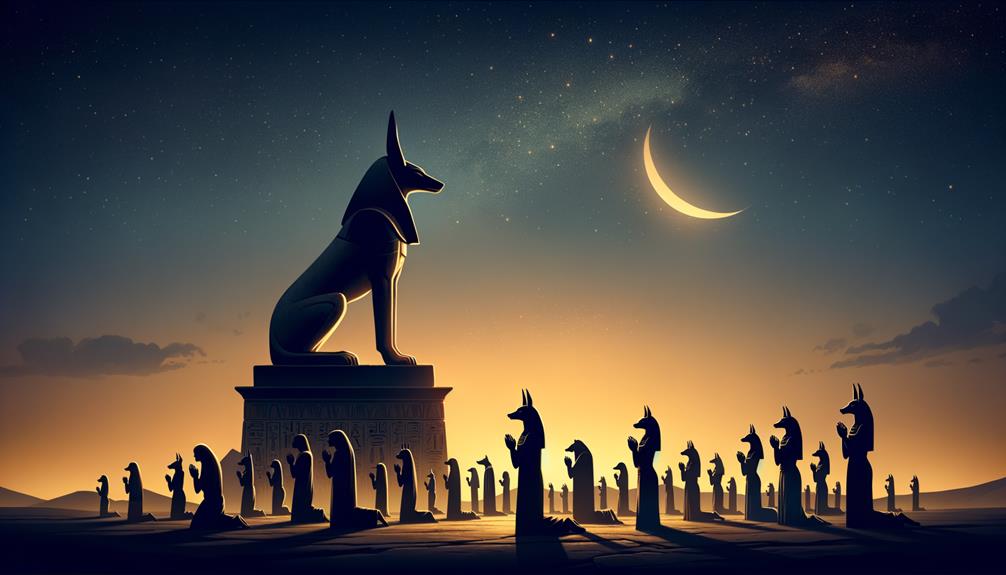
religious devotion to anubis

Anubis Worship Study

Anubis was an ancient Egyptian funerary deity associated with cemeteries, embalming, and the safe passage of the dead. He was not simply a god of death, and Egyptian sources do not present him as an evil figure. His functions centered on protection, ritual preparation, and judgment. Anubis in the surviving tradition Egyptian art usually gives […]

Anubis Worship Study Read More »
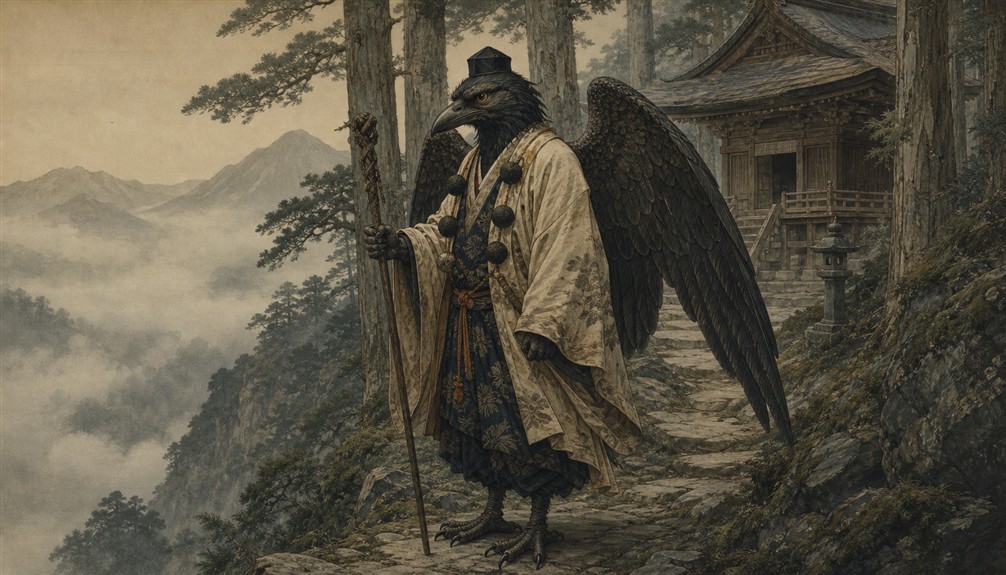
Traditional bird-beaked tengu in yamabushi robes on a Japanese mountain

Tengu Cultural Significance

Tengu are mountain beings in Japanese religious narrative, folklore, theater, and art. Their history is not a straight change from evil demons into friendly guardians. Different periods and regions portray them as disruptive enemies of Buddhism, embodiments of pride, dangerous mountain powers, skilled fighters, comic figures, or protectors attached to particular sacred places. From Heavenly

Tengu Cultural Significance Read More »

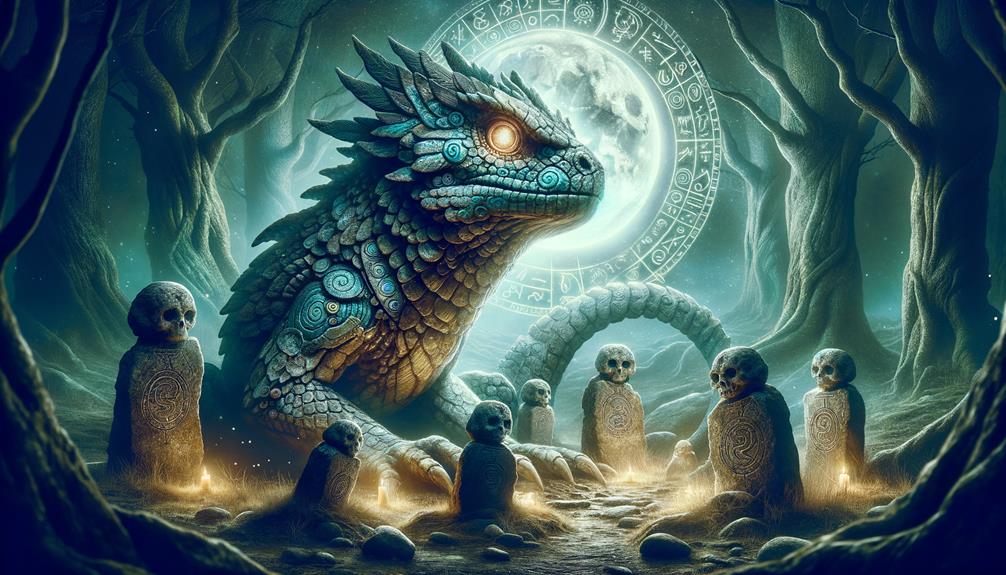
ancient serpent creature examined

Basilisk Lore Explored

The basilisk began in classical literature as a small, deadly serpent. Medieval bestiaries expanded it into the king of snakes, and later European traditions increasingly mixed it with the cockatrice, a rooster-serpent hybrid. The enormous reptile that petrifies victims in modern fantasy is one late branch of a much older and less consistent tradition. Pliny’s

Basilisk Lore Explored Read More »

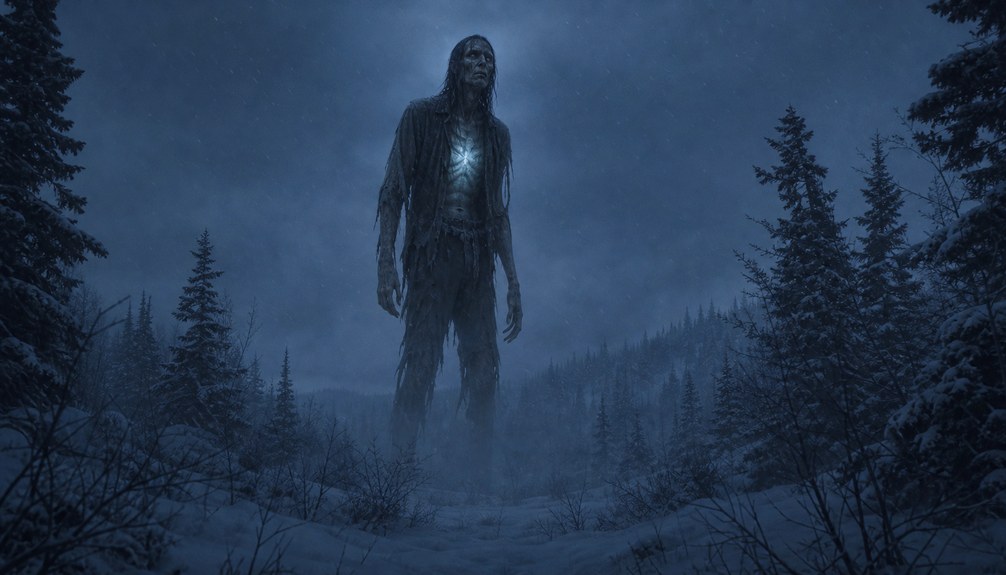
Gaunt humanlike Windigo figure in a northern winter forest

Wendigo Legends Explained

Windigo, also written Wendigo, Weendigo, Wiindigoo, and in other forms, names a cannibal being or condition in traditions of several Algonquian-speaking peoples. Ojibwe, Cree, Saulteaux, Naskapi, and Innu accounts are related but not identical. “Algonquian” describes a large language family, not one tribe with one set of beliefs. Hunger that can never be satisfied Many

Wendigo Legends Explained Read More »

Scroll to Top