
Author name: Joseph Campbell

Joseph Campbell is a mythology researcher, writer, and editor at Mythology Vault. He specializes in comparative mythology, covering Greek, Norse, Egyptian, Hindu, Japanese, Chinese, Aztec, Polynesian, Celtic, and Roman mythological traditions. His work focuses on making ancient myths accessible to modern readers while maintaining scholarly accuracy.

folklore surrounding japanese foxes

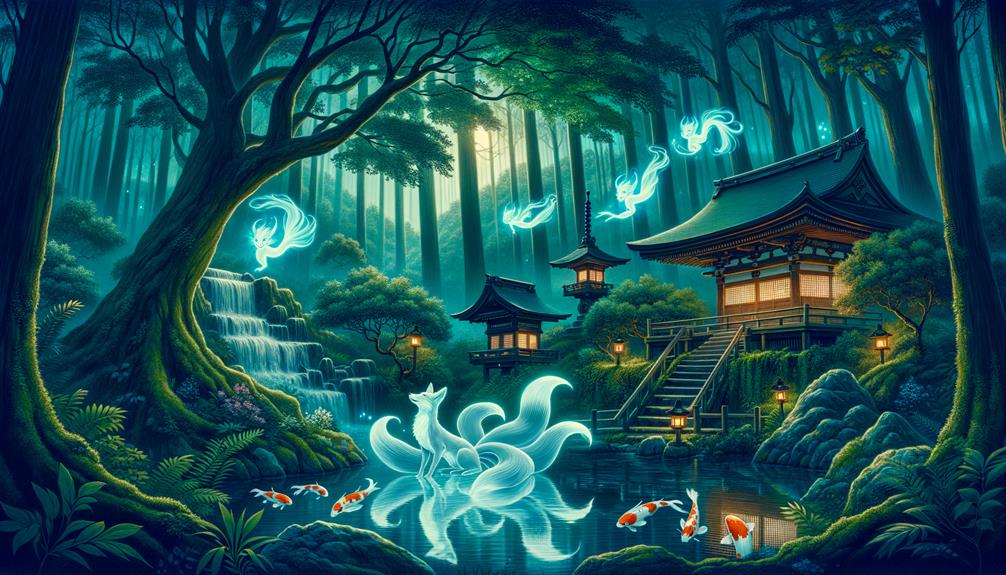
Kitsune Cultural Myths

Kitsune is the ordinary Japanese word for fox, but Japanese literature, religion, and folklore also give foxes supernatural roles. They may serve the deity Inari, create strange lights, transform into people, deceive a household, repay kindness, or become a spouse. No single division into “good” and “evil” foxes covers the full tradition. Foxes and Inari

Kitsune Cultural Myths Read More »

norse deity of love

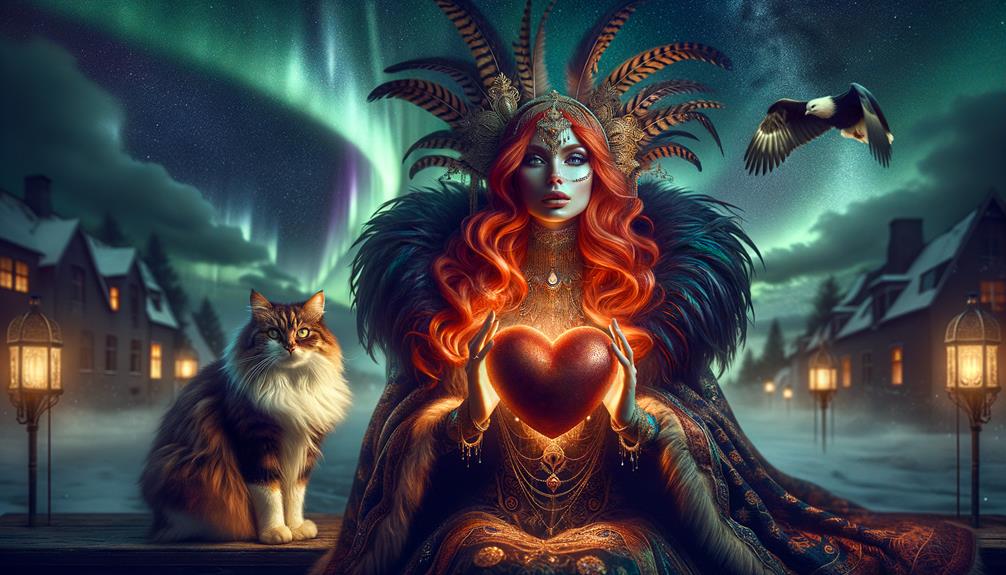
Freyja Norse Love Goddess

Freyja is a major goddess in Old Norse literature. The sources associate her with desire, fertility, wealth, seiðr magic, precious objects, battle-dead, and lament. Calling her only a love goddess leaves out much of the surviving material. Freyja in the surviving tradition Freyja belongs to the Vanir and is the daughter of Njörðr and sister

Freyja Norse Love Goddess Read More »

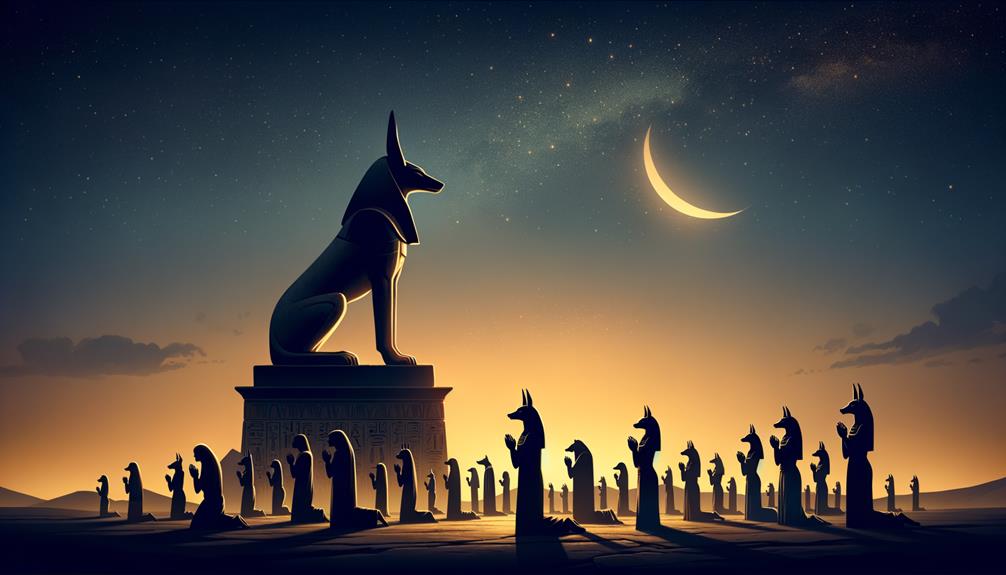
religious devotion to anubis

Anubis Worship Study

Anubis was an ancient Egyptian funerary deity associated with cemeteries, embalming, and the safe passage of the dead. He was not simply a god of death, and Egyptian sources do not present him as an evil figure. His functions centered on protection, ritual preparation, and judgment. Anubis in the surviving tradition Egyptian art usually gives

Anubis Worship Study Read More »

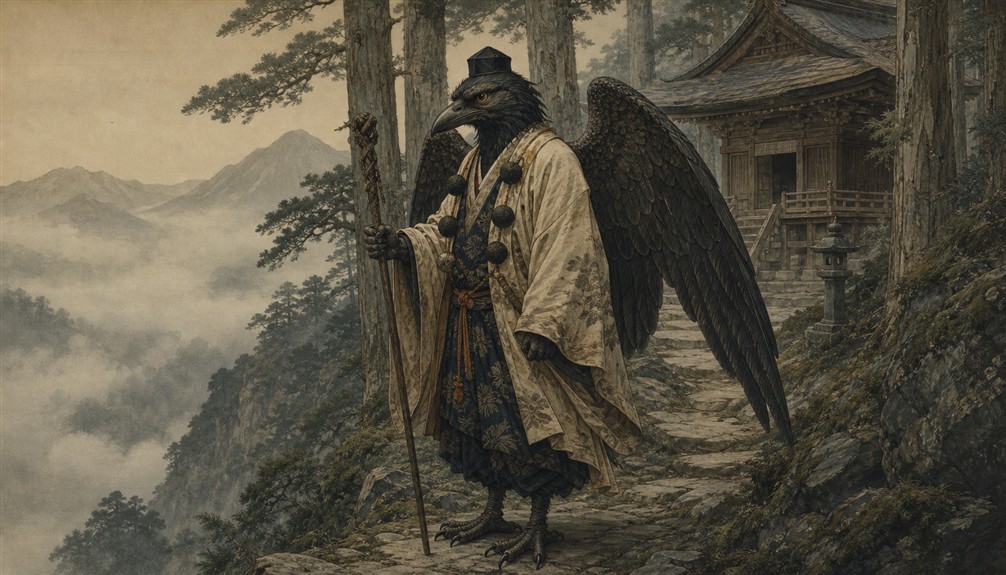
Traditional bird-beaked tengu in yamabushi robes on a Japanese mountain

Tengu Cultural Significance

Tengu are mountain beings in Japanese religious narrative, folklore, theater, and art. Their history is not a straight change from evil demons into friendly guardians. Different periods and regions portray them as disruptive enemies of Buddhism, embodiments of pride, dangerous mountain powers, skilled fighters, comic figures, or protectors attached to particular sacred places. From Heavenly

Tengu Cultural Significance Read More »

Scroll to Top