Deities

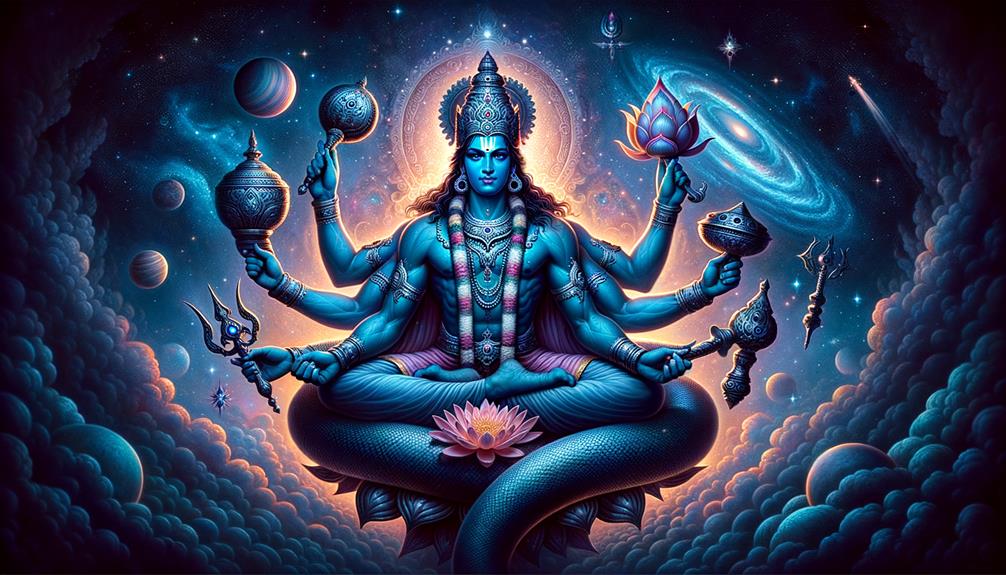
vishnu the hindu guardian

Vishnu: Avatars, Iconography, and the Restoration of Dharma

Accuracy note: Hindu traditions are diverse. Vaishnava communities worship Vishnu or one of his forms as supreme, while other Hindu traditions describe divine relationships differently. Lists of avatars and interpretations of particular images also vary by text, region, and lineage. Vishnu is one of the principal deities of Hindu traditions and the central deity of

Vishnu: Avatars, Iconography, and the Restoration of Dharma Read More »

greek goddess of agriculture

Demeter and Persephone: Grain, Grief, and the Mysteries of Eleusis

Demeter is the Greek goddess of cultivated grain and the fragile human world built around it. Her myths are not only stories about “the seasons.” They join food supply, maternal grief, divine power, civic ritual, and the boundary between life and death. The most important surviving narrative is the Homeric Hymn to Demeter, which explains

Demeter and Persephone: Grain, Grief, and the Mysteries of Eleusis Read More »

trickster deity of norse

Loki: Eddic Sources, Baldr, Shape-Changing, and Ragnarök

Loki is an unpredictable figure in Old Norse myth whose intelligence repeatedly saves the gods and repeatedly endangers them. Medieval texts never give him a tidy job description as “the god of mischief,” nor do they make him Thor’s adopted brother. He is better understood through the particular poems and prose narratives in which he

Loki: Eddic Sources, Baldr, Shape-Changing, and Ragnarök Read More »

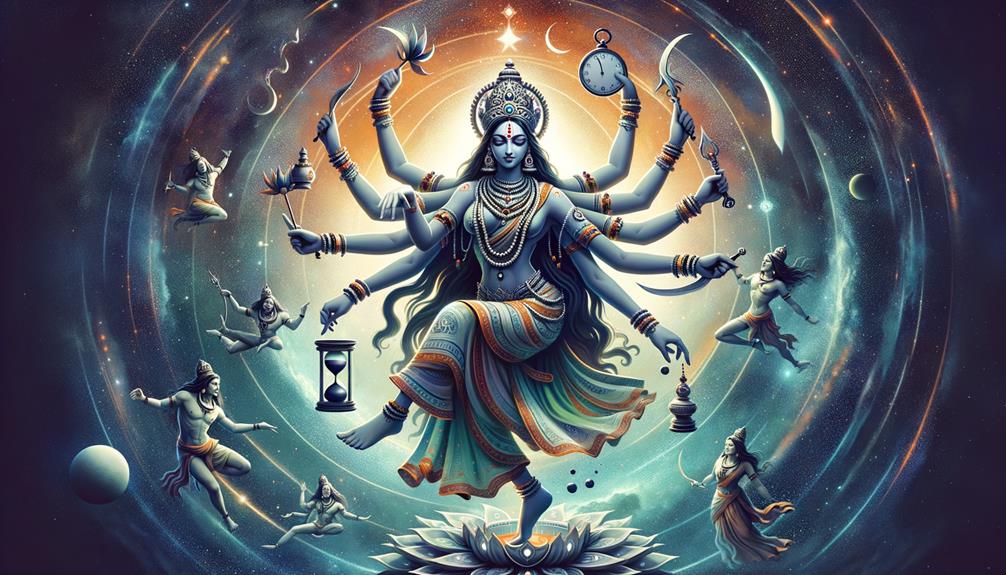
divine hindu deity personifying time

Kali: Fierce Protection, the Divine Mother, and Sacred Imagery

Kali is a Hindu goddess whose fierce appearance expresses more than destruction. She defeats threatening powers, confronts mortality, and is approached by devotees as the Divine Mother. Describing her only as a “goddess of death” or “goddess of time” leaves out the protective and intimate relationships central to her worship. Kali in the Devi Mahatmya

Kali: Fierce Protection, the Divine Mother, and Sacred Imagery Read More »

Scroll to Top