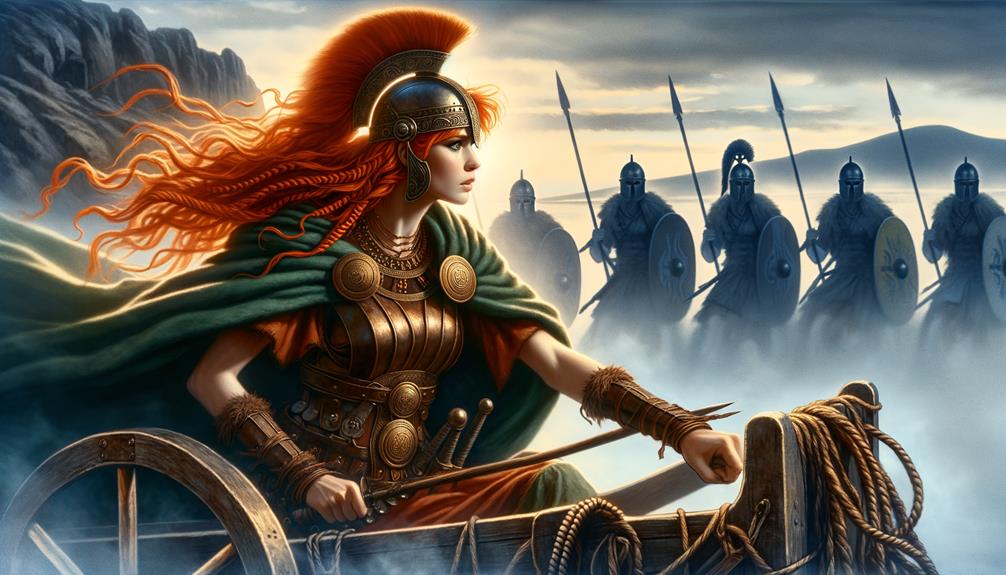
Boudica Iceni Queen and Revolter
Harnessing fierce courage, Boudica, the Iceni Queen, launched an unprecedented revolt against Rome; delve into her compelling tale of rebellion and resilience.
Boudica Iceni Queen and Revolter Read More »
Harnessing fierce courage, Boudica, the Iceni Queen, launched an unprecedented revolt against Rome; delve into her compelling tale of rebellion and resilience.
Boudica Iceni Queen and Revolter Read More »
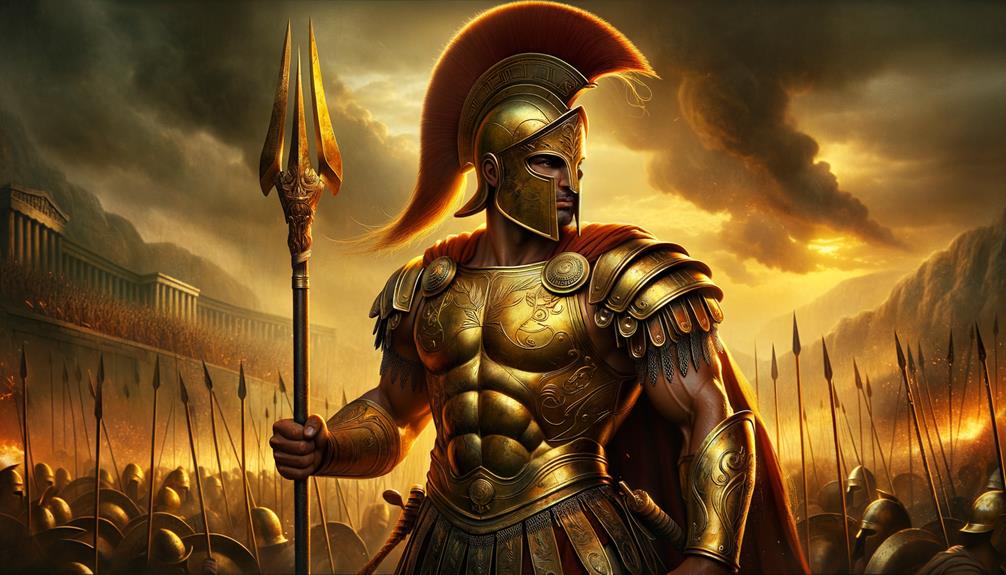
Achilles is a formidable Greek warrior, but “invincible” is a misleading description of the hero in Homer’s Iliad. The poem shows him wounded, grieving, dependent on divine help, and conscious that his life will end. His extraordinary power matters because it does not free him from loss. The Iliad follows the consequences of his anger
Achilles: Rage, Mortality, and the Hero of the Iliad Read More »
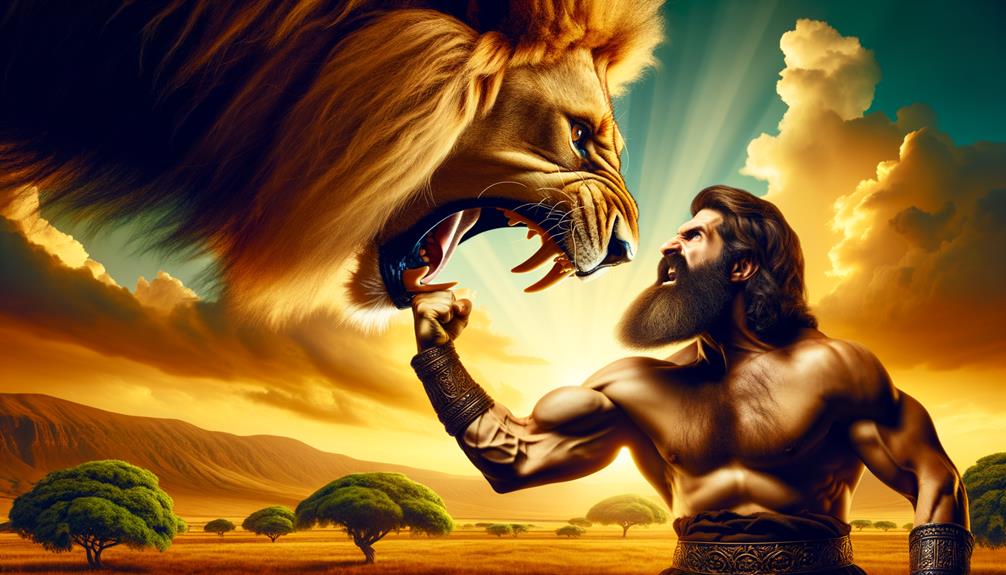
Plunge into the captivating saga of Samson, a biblical hero whose extraordinary strength and vulnerabilities weave a tale of faith, resilience, and redemption.
Samson Biblical Hero of Strength Read More »
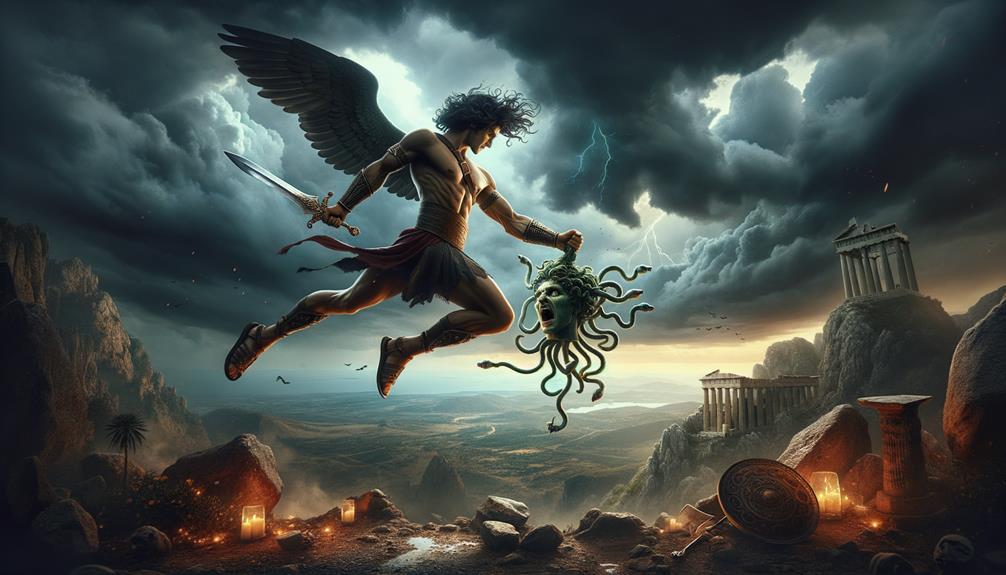
Perseus is a Greek hero best known for killing Medusa and rescuing Andromeda. Ancient authors preserve several versions of his birth, equipment, journey, and later kingship. Perseus in the surviving tradition Perseus is the son of Zeus and Danaë. Her father Acrisius shuts Danaë away after an oracle warns that her son will kill him.
Perseus Greek Gorgon Slayer Read More »
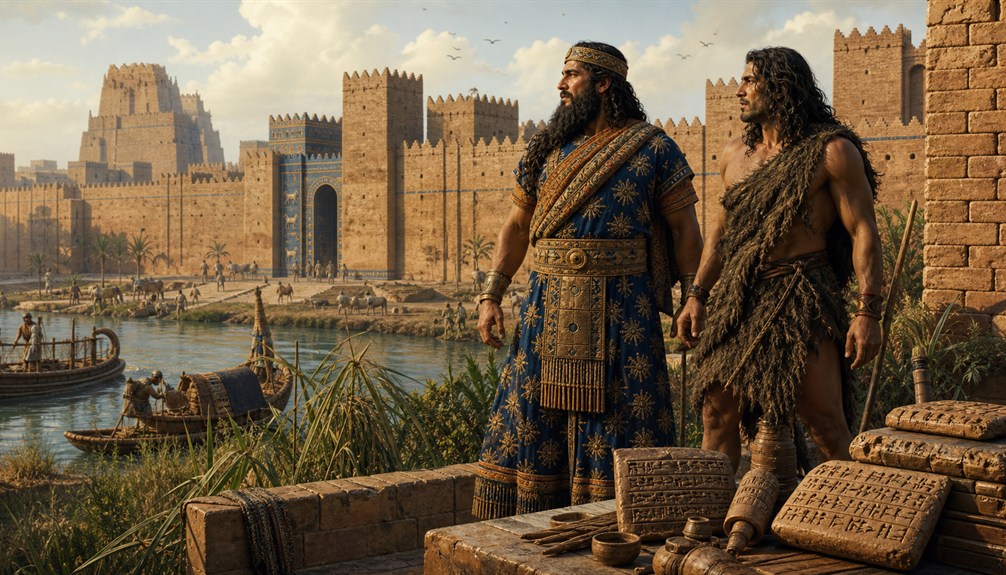
Gilgamesh is the hero of several Sumerian poems and a later Akkadian epic. A ruler named Gilgamesh may have belonged to the early history of Uruk, but the surviving stories are literary works copied and reshaped over many centuries. Gilgamesh in the surviving tradition The Standard Babylonian Epic begins with Gilgamesh as a powerful king
Gilgamesh Ancient Sumerian King Read More »
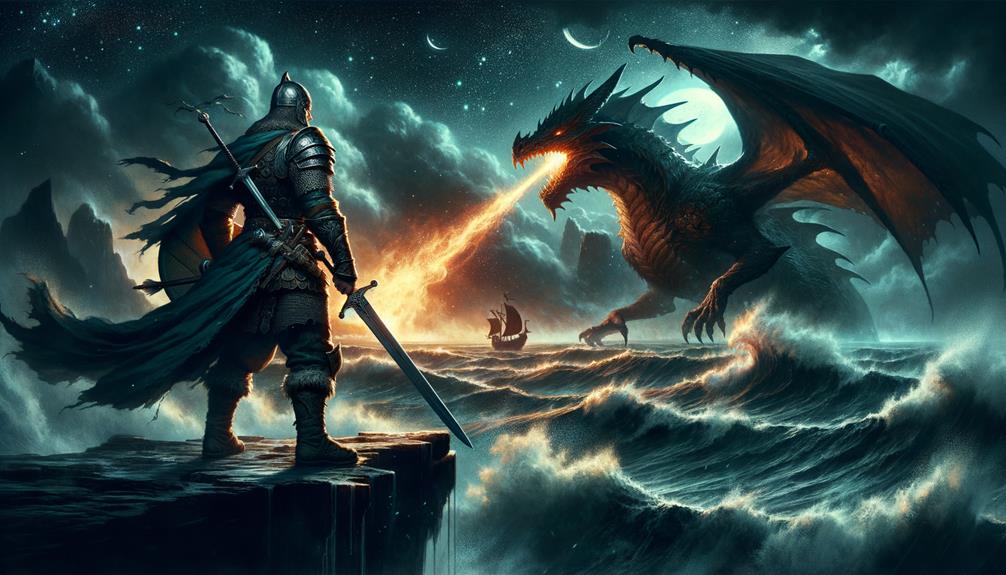
Beowulf is the hero of an Old English epic preserved in a single medieval manuscript. The poem is set in Scandinavia, not England, and combines a pre-Christian heroic past with a Christian narrator’s moral language. Beowulf in the surviving tradition Beowulf, a Geat, crosses the sea to help the Danish king Hrothgar. The monster Grendel
Beowulf Anglo Saxon Epic Hero Read More »
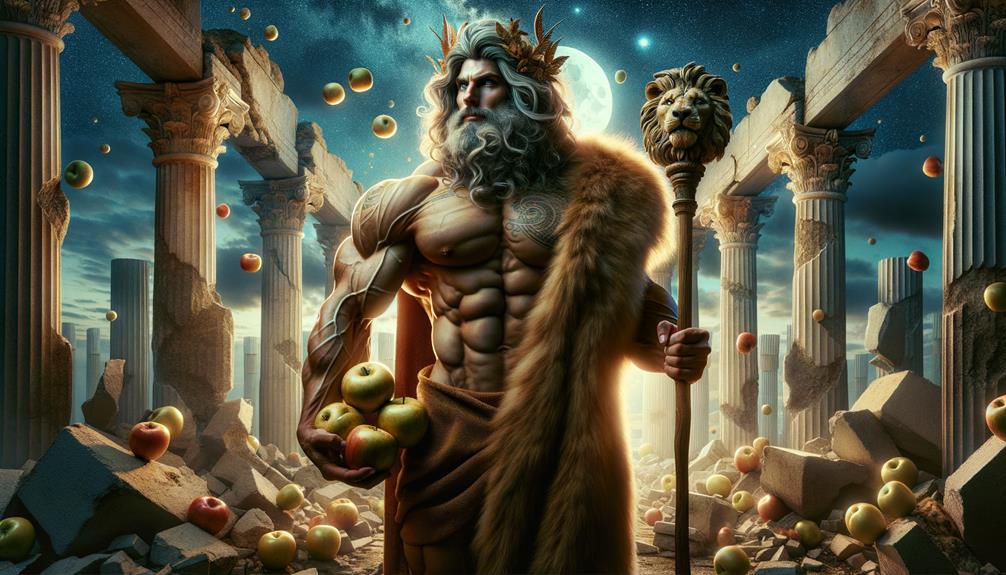
Heracles is the Greek hero called Hercules in Roman tradition. He is famous for extraordinary strength, the Twelve Labors, repeated suffering, and eventual admission among the gods. Calling him the strongest hero is a modern ranking, not an ancient official title. Heracles in the surviving tradition Heracles is a son of Zeus and the mortal
Hercules Greek Mythology's Strongest Hero Read More »
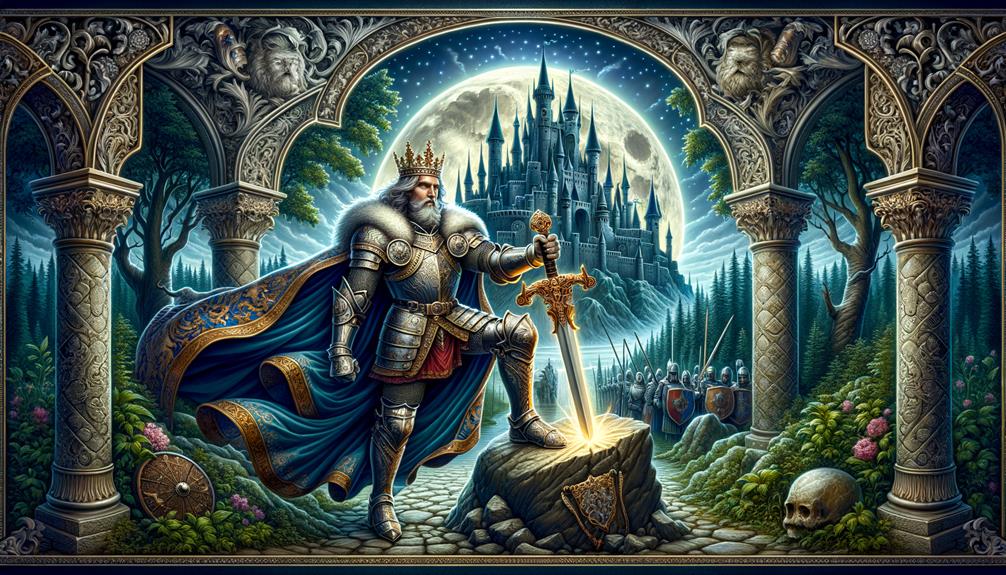
King Arthur is the central ruler of a large medieval story tradition. The earliest material is Welsh and Latin, while the familiar Round Table, Lancelot, Grail quest, and courtly romances were built by later authors. Evidence for a single historical Arthur remains disputed. King Arthur in the surviving tradition Early Welsh poems and tales refer
Arthurian Legends King Arthur's Tale Read More »
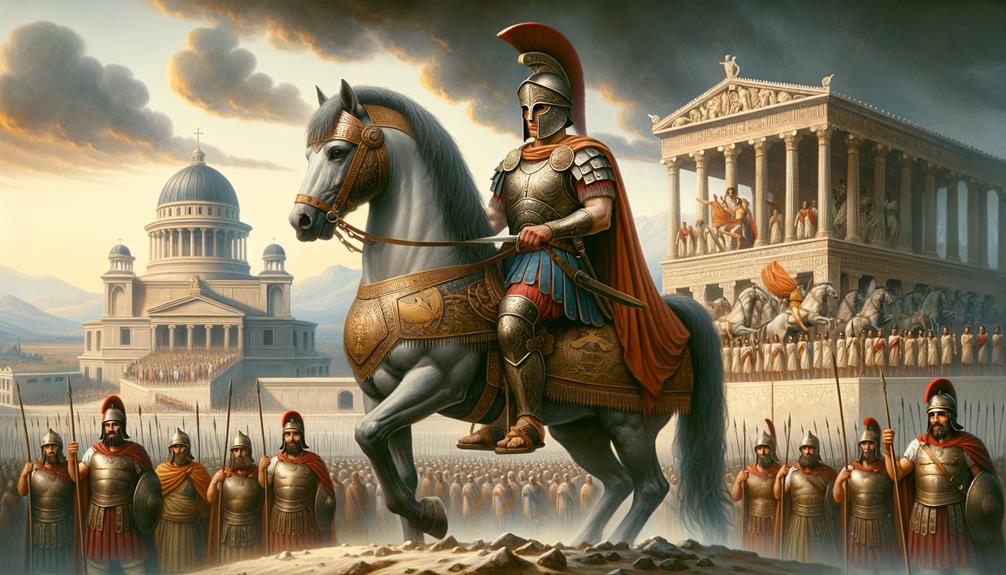
Alexander III of Macedon, known as Alexander the Great, ruled from 336 to 323 BCE. He destroyed the Achaemenid Persian Empire and created a new imperial network from the eastern Mediterranean to parts of Central and South Asia. Alexander the Great in the surviving tradition Alexander was the son of Philip II and Olympias. Philip’s
Alexander the Great Macedonian King Read More »
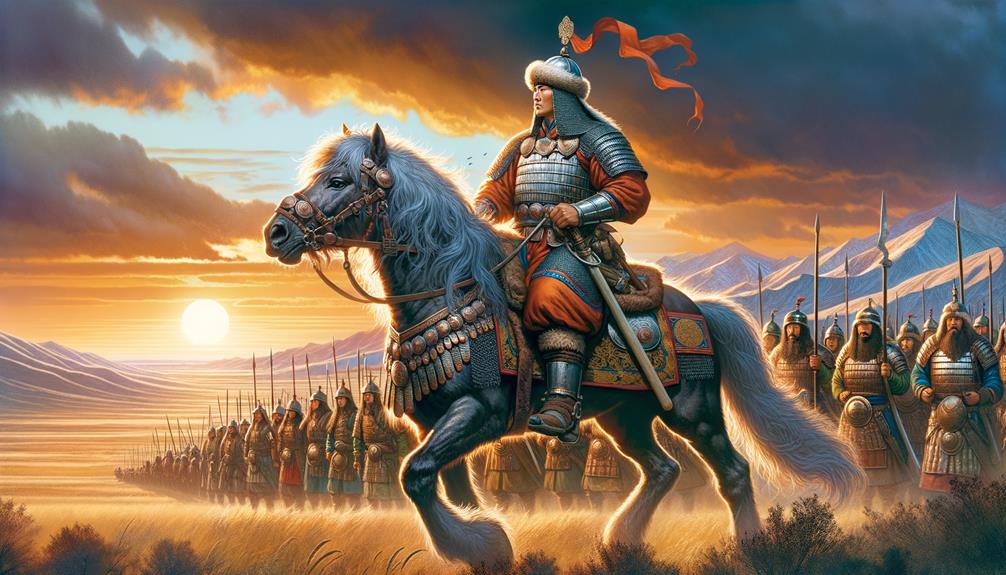
Chinggis Khan, widely known as Genghis Khan, founded the Mongol Empire and united many Mongol groups under his rule. His campaigns transformed Eurasia through conquest, trade, migration, and immense violence. Chinggis Khan in the surviving tradition Born Temüjin, probably in the 1160s, he grew up amid unstable alliances after the death of his father Yesügei.
Genghis Khan Mongolian Conqueror Read More »