Mythologies by Culture

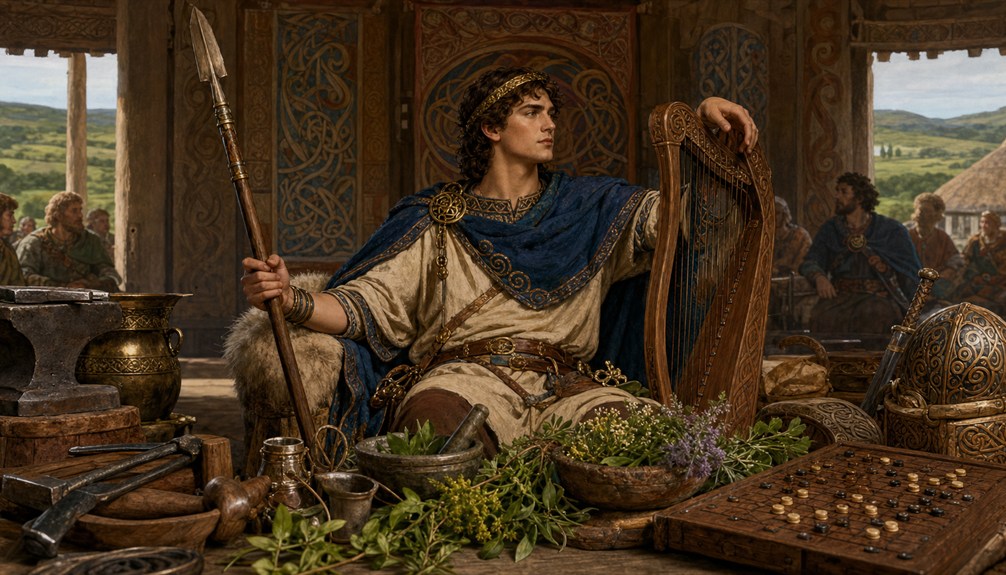
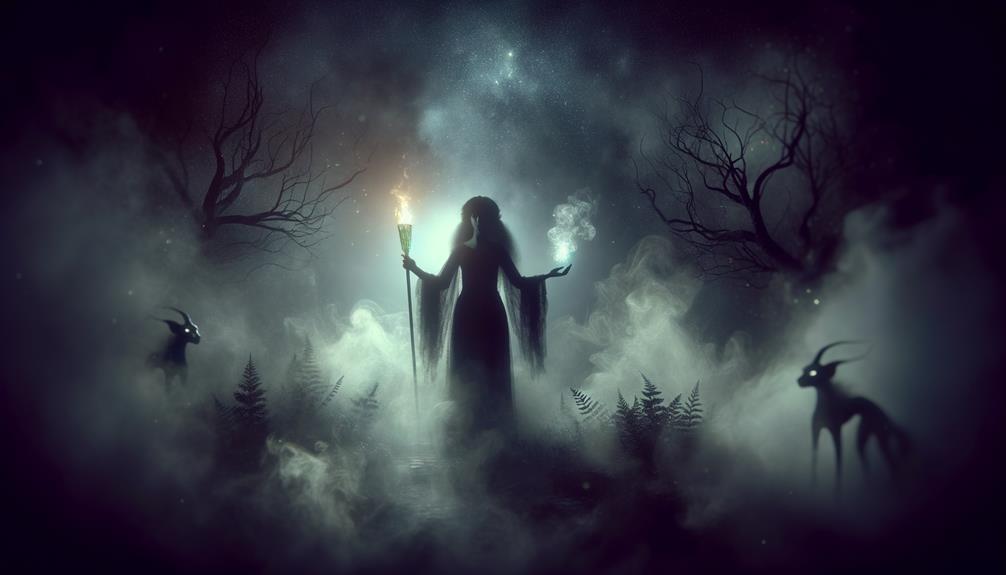
Lugh displaying his arts and skills at Tara

Lugh Samildánach: Master of Many Arts and the Battle of Mag Tuired

Lugh is one of the most important figures in medieval Irish myth: a warrior, ruler, organizer, and master of many arts. His best-known epithet, Lámfhada, is usually translated “Long Arm” or “Long Hand.” Yet his defining title in The Second Battle of Mag Tuired is Samildánach—the one who possesses many skills. Lugh matters not because

Lugh Samildánach: Master of Many Arts and the Battle of Mag Tuired Read More »

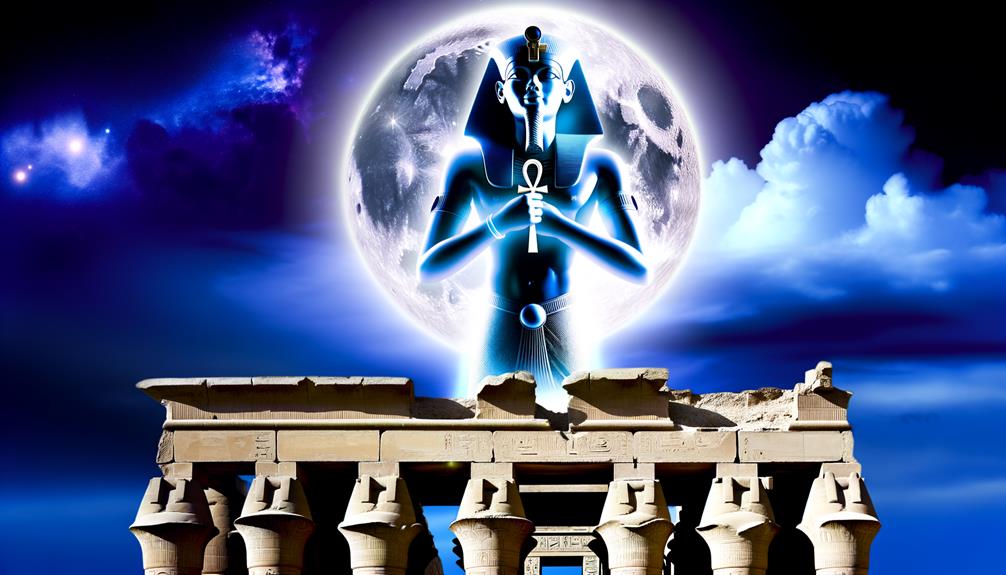
ancient egyptian lunar deity

Khonsu: Moon, Time, Healing, and the Theban Divine Family

Khonsu was an ancient Egyptian moon god whose most prominent cult centre was Thebes. There he formed a divine family with Amun and Mut and received worship in the great Karnak temple complex. His lunar identity connected him with movement across the night sky, the measurement of time, protection, and healing, but these aspects developed

Khonsu: Moon, Time, Healing, and the Theban Divine Family Read More »

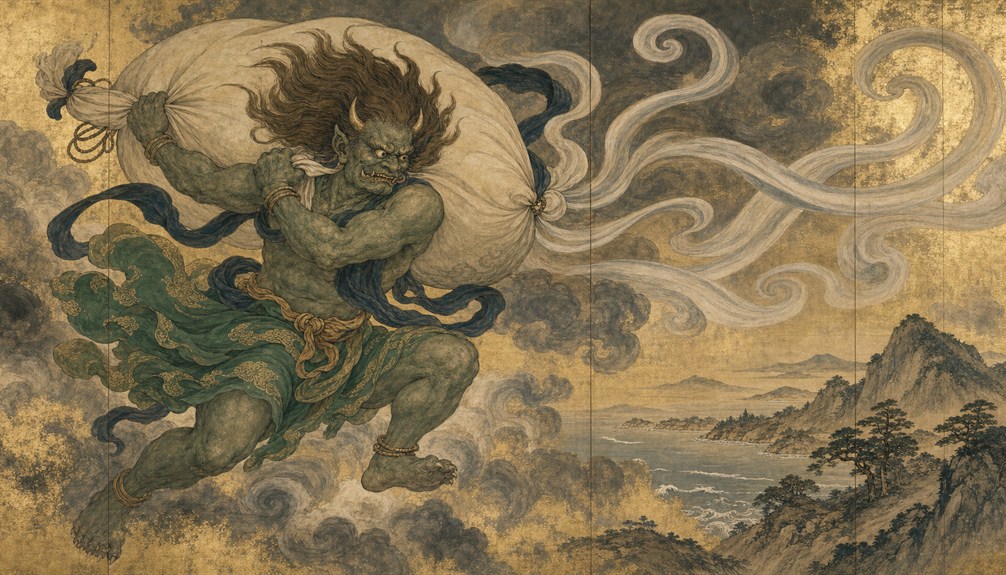
Fujin carrying a great wind bag through storm clouds

Fūjin: The Wind Bag, Buddhist Art, and the Raijin Screens

Fūjin is the Japanese god of wind, instantly recognizable by the great bag carried across his shoulders. Opening the bag turns an invisible force into sweeping cloth, bent grasses, racing clouds, and roughened water. Yet Fūjin has no single fixed biography. His familiar form emerged through Japanese weather experience, Buddhist sacred art, imported iconography, temple

Fūjin: The Wind Bag, Buddhist Art, and the Raijin Screens Read More »

Scroll to Top