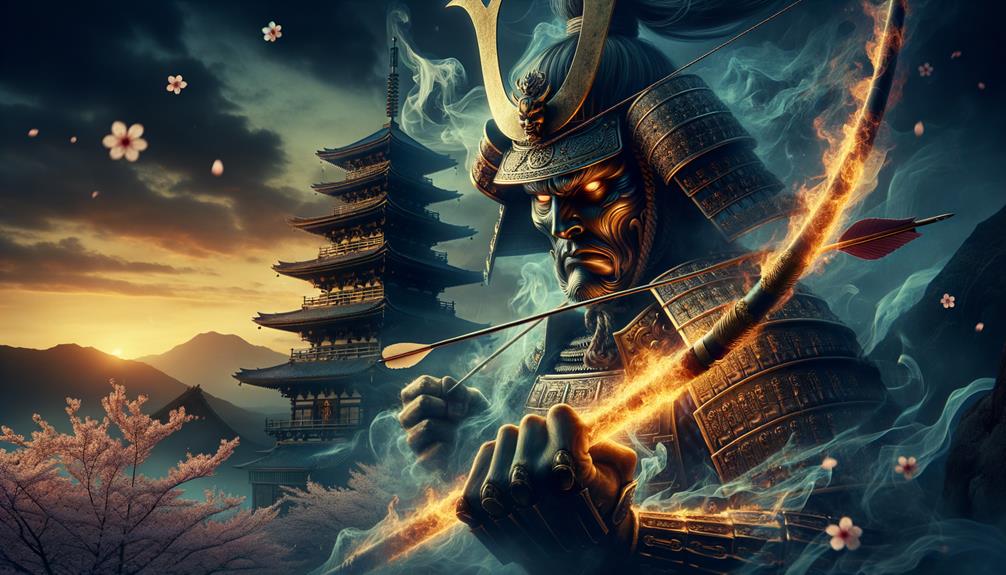
Hachiman War God Legends
Curious about how Hachiman evolved into Japan's revered war god and spiritual guardian? Dive into his legendary tale to uncover the secrets.
Hachiman War God Legends Read More »
Curious about how Hachiman evolved into Japan's revered war god and spiritual guardian? Dive into his legendary tale to uncover the secrets.
Hachiman War God Legends Read More »
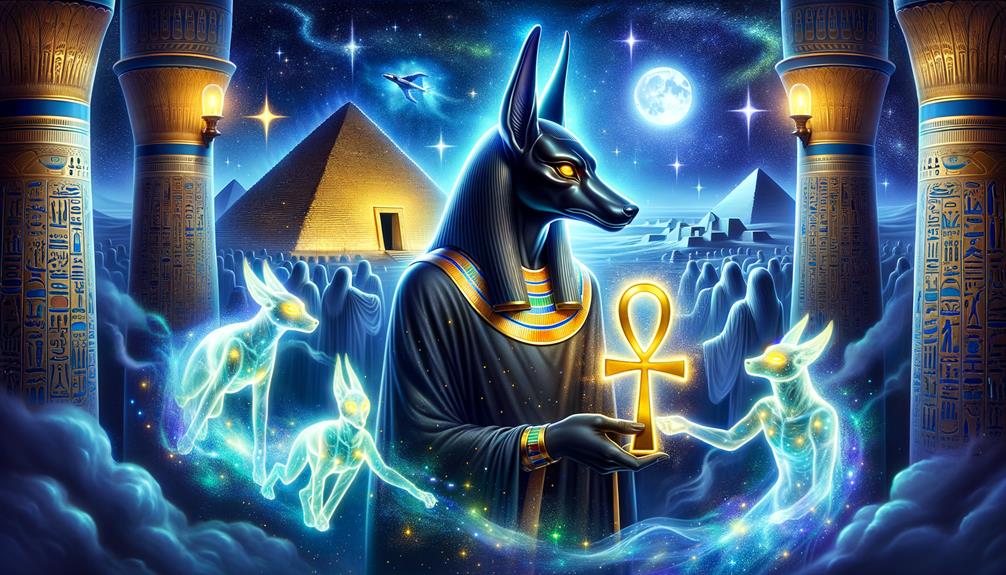
Anubis is the Greek form of the Egyptian god called Inpu or Anpu in modern transliteration. He was closely associated with cemeteries, embalming, the protection of the dead, and funerary rites. Images usually show him as a reclining black canid or as a man with a canid head. Calling the animal a jackal is conventional,
Anubis: Guide of the Afterlife Read More »
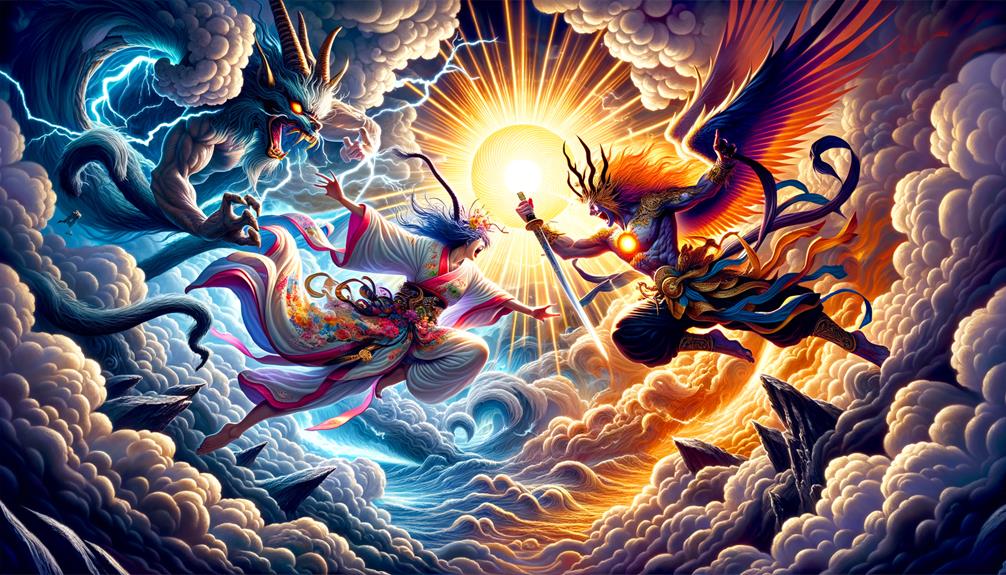
Marvel at the cosmic dance of chaos and order in the legendary rivalry between Susanoo and Amaterasu; what profound lessons do their divine clashes reveal?
Susanoo Amaterasu Rivalry Read More »
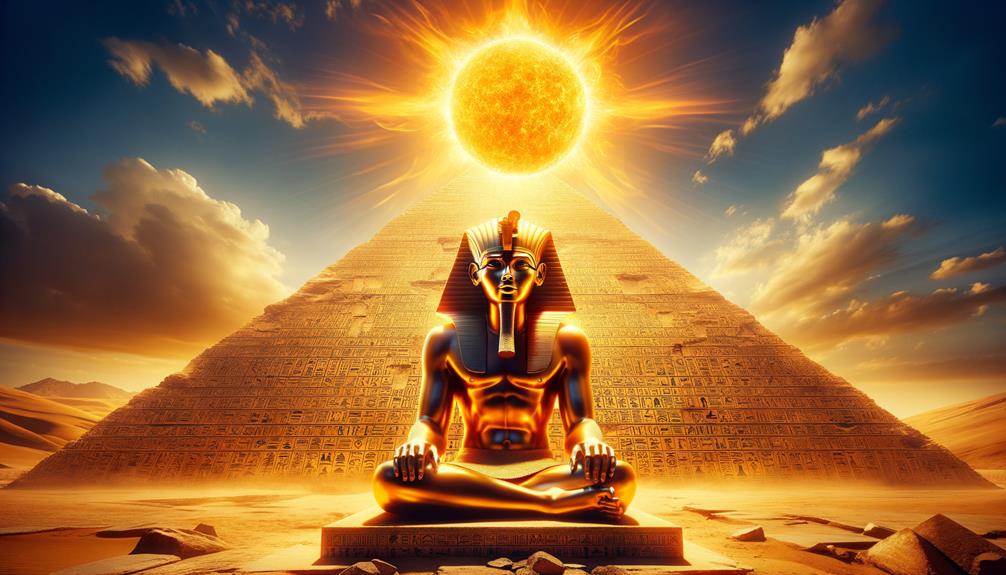
Ra, also written Re, was the ancient Egyptian sun god and one of the central divine powers associated with creation and kingship. Egyptian religion changed across more than three millennia, so Ra did not have one fixed biography or family tree. He was worshipped in several forms and combined with other gods without losing his
Ra: Sun God of Ancient Egypt Read More »
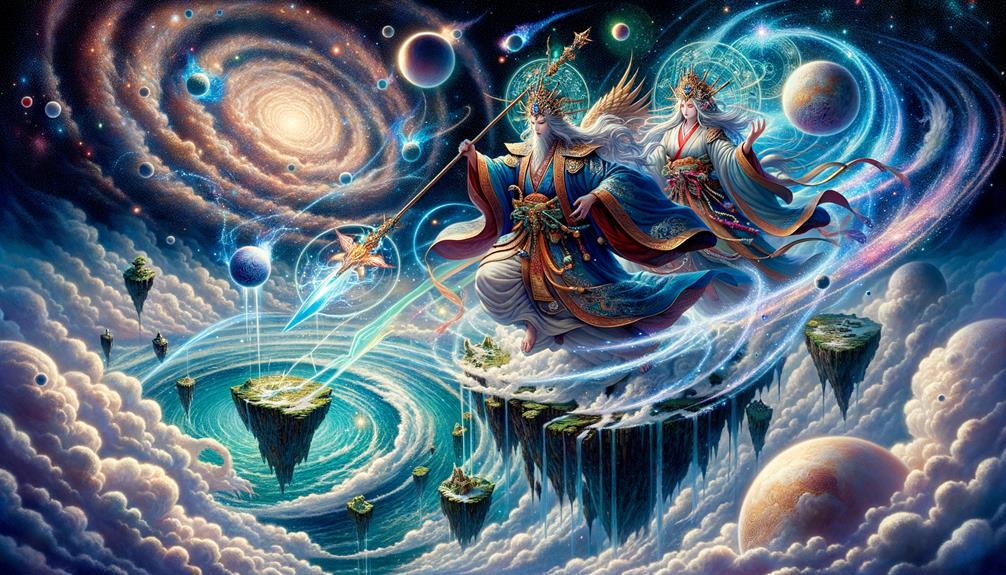
Discover the profound symbolism in the myth of Izanagi and Izanami, creators of Japan, as they navigate love, loss, and the cycle of life.
Izanagi Izanami Creation Deities Read More »
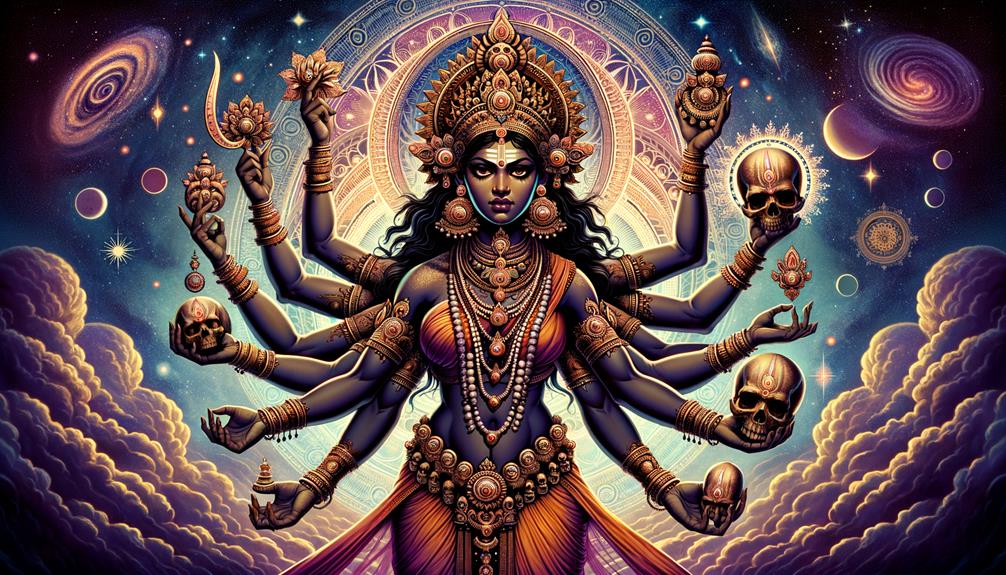
Kali is a major Hindu goddess whose fierce appearance can express protection, time, death, power, and liberation. She is especially prominent in Shakta and Bengali traditions, where devotees also approach her as Mother. No single myth or symbol explains every form of Kali. Kali in the Devi Mahatmya One of Kali’s earliest major appearances is
Goddess Kali: Myths and Meanings Read More »
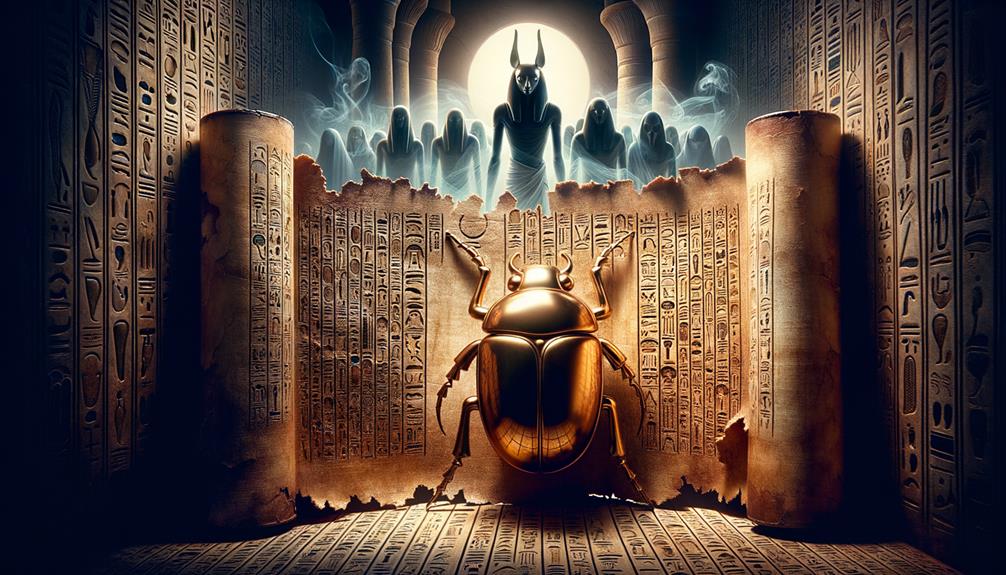
The Egyptian Book of the Dead is not a single narrative and was never a fixed scripture. It is the modern name for a changing collection of funerary spells used to help a deceased person join the gods, move safely through the next world, and go forth into daylight. Copies differ in length, order, wording,
Deciphering the Egyptian Book of the Dead Read More »
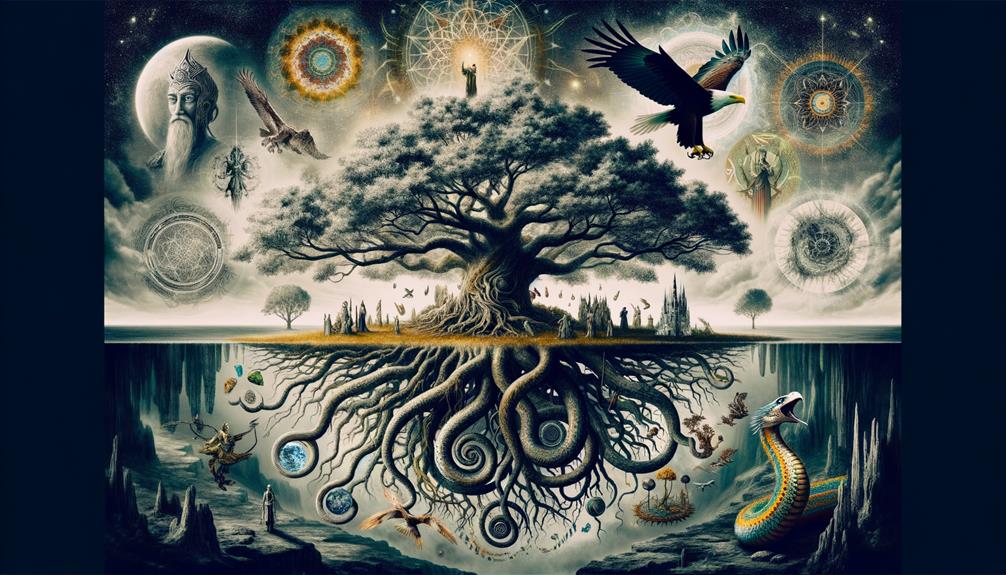
Yggdrasil is the immense tree at the center of Old Norse cosmology. The Poetic Edda and Snorri Sturluson’s Prose Edda connect gods, humans, giants, the dead, animals, wells, and fate through its branches and roots. The texts agree on the tree’s cosmic importance, but they do not supply a single diagram in which every world
Yggdrasil: The World Tree Lore Read More »
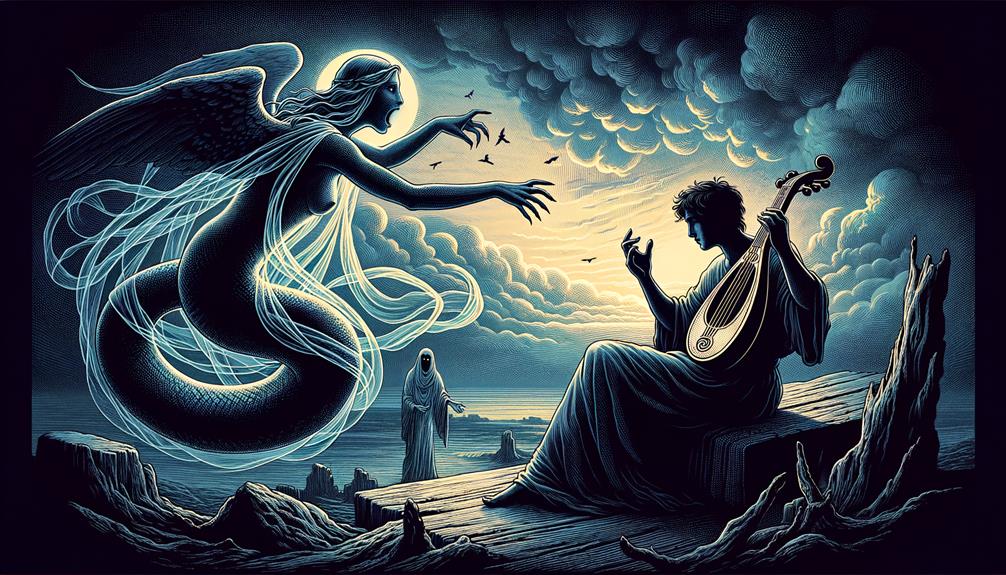
Orpheus and Eurydice are known through several ancient versions rather than one fixed story. Two of the most important surviving accounts appear in Virgil’s Georgics and Ovid’s Metamorphoses. Both describe Eurydice’s death, Orpheus’s descent to the underworld, and the condition that he must not look back. They differ in details and emphasis. Orpheus in ancient
Orpheus and Eurydice's Love Story Read More »
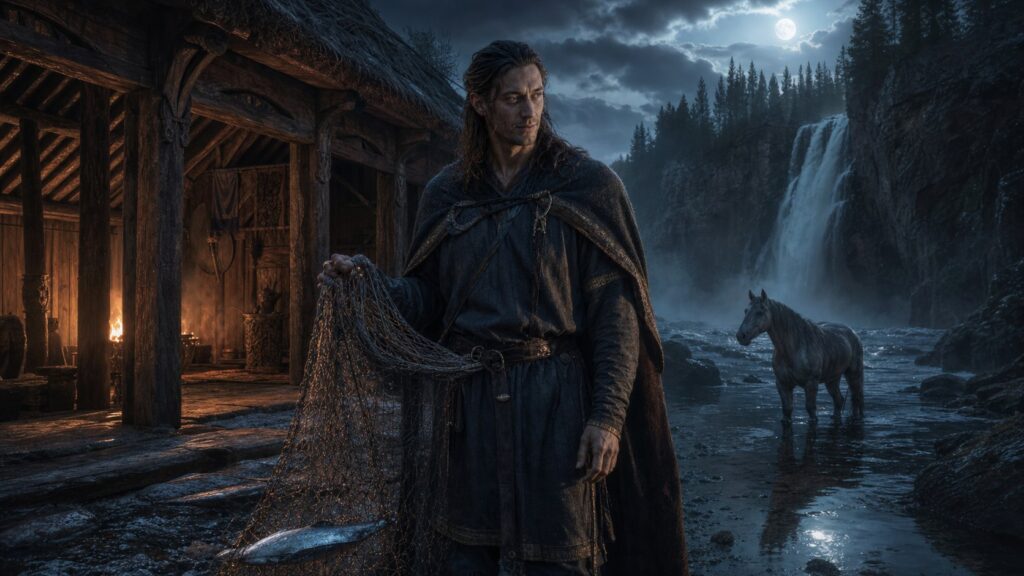
Loki is one of the most changeable figures in Old Norse myth. He helps the gods in some stories, causes crises in others, and becomes their enemy at Ragnarök. “God of mischief” is a useful modern label, but the medieval texts do not give him a neat official title or a single moral role. Loki’s
Loki: Norse God of Mischief Read More »