Mythic Beings

greek god of the sea

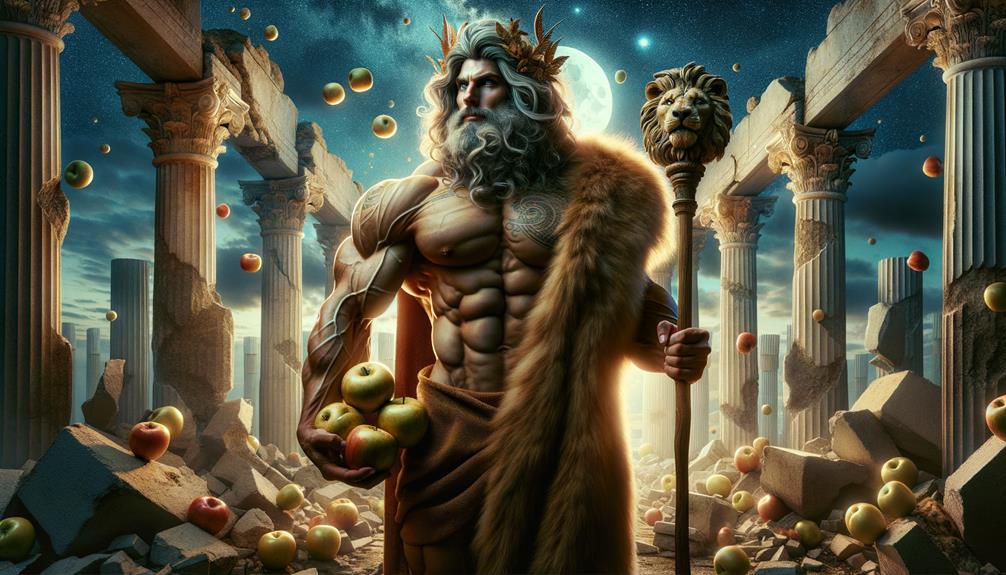
Poseidon Greek Sea God

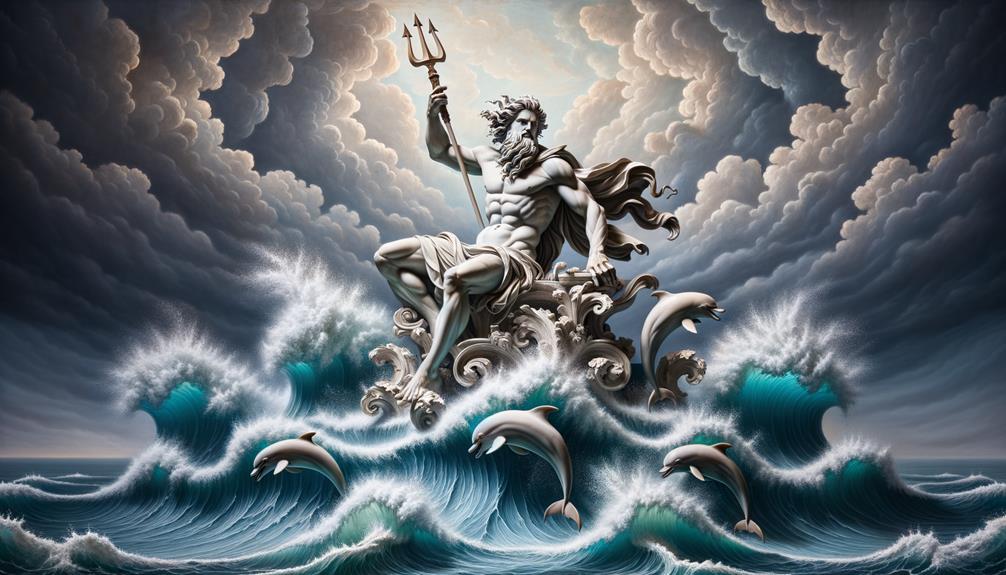
Poseidon is the ancient Greek god of the sea, earthquakes, horses, and powerful natural forces. He is a brother of Zeus and Hades in the dominant literary genealogy, and his worship was spread across the Greek world. Poseidon in the surviving tradition Homer calls Poseidon the earth-shaker. In the Iliad he supports the Greeks at […]

Poseidon Greek Sea God Read More »

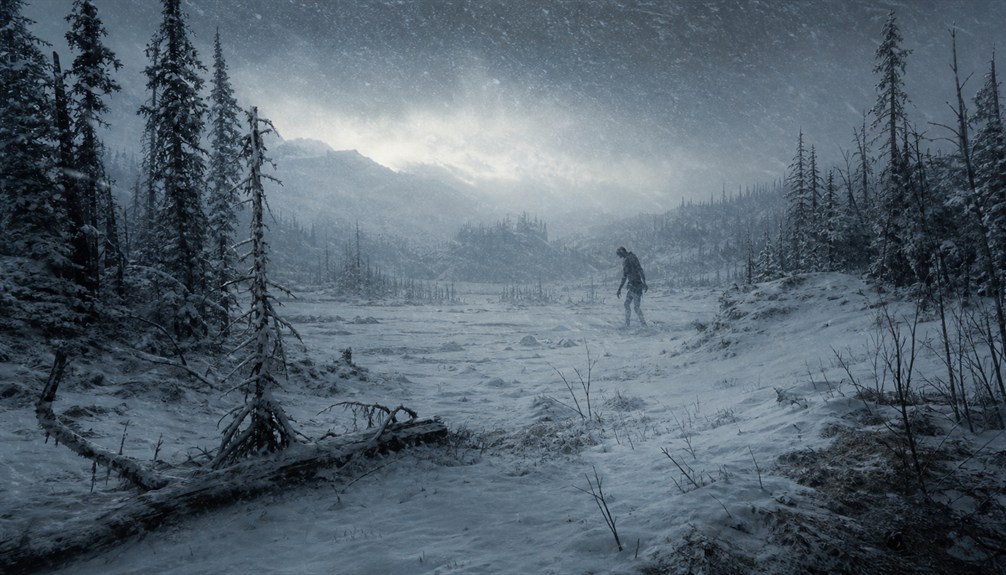
A distant gaunt figure crossing a winter forest landscape

Wendigo Algonquian Evil Spirit

The windigo belongs to several Algonquian-speaking Indigenous traditions in North America. Spellings and accounts differ among Cree, Ojibwe, and related peoples. The figure is tied to cannibalism, destructive hunger, winter danger, and the breakdown of human obligations. The windigo in the surviving tradition Some accounts describe a person transformed through cannibalism or extreme greed; others

Wendigo Algonquian Evil Spirit Read More »

folklore surrounding japanese foxes

Kitsune Cultural Myths

Kitsune is the ordinary Japanese word for fox, but Japanese literature, religion, and folklore also give foxes supernatural roles. They may serve the deity Inari, create strange lights, transform into people, deceive a household, repay kindness, or become a spouse. No single division into “good” and “evil” foxes covers the full tradition. Foxes and Inari

Kitsune Cultural Myths Read More »

norse deity of love

Freyja Norse Love Goddess

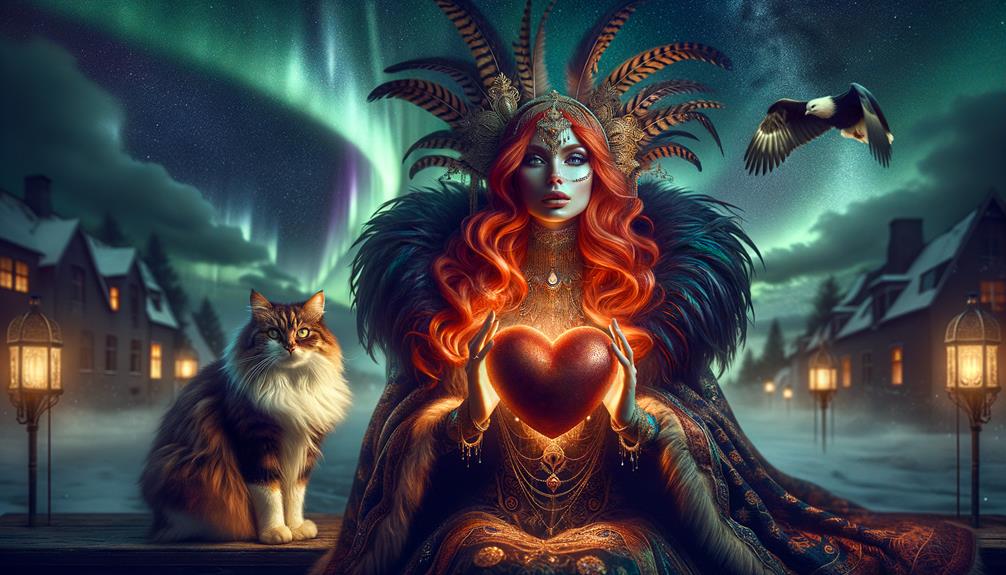
Freyja is a major goddess in Old Norse literature. The sources associate her with desire, fertility, wealth, seiðr magic, precious objects, battle-dead, and lament. Calling her only a love goddess leaves out much of the surviving material. Freyja in the surviving tradition Freyja belongs to the Vanir and is the daughter of Njörðr and sister

Freyja Norse Love Goddess Read More »

Scroll to Top