
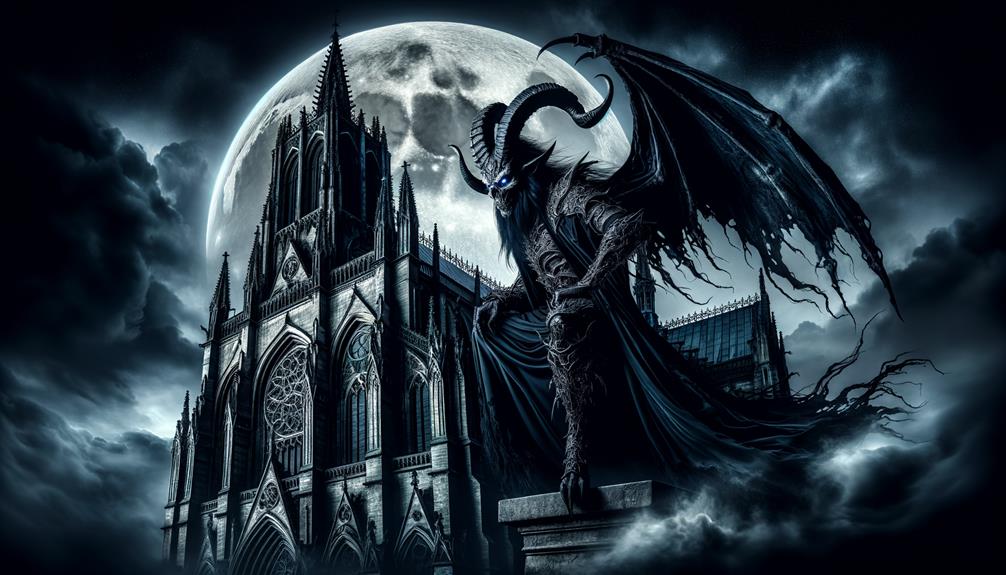
An incubus is a male demon in medieval and early modern European tradition believed to sexually assault sleeping people. The corresponding female term is succubus, though texts do not use either category consistently.
The incubus in the surviving tradition
Christian writers drew on older night-spirit traditions and debated whether demons could have bodies, collect semen, or produce children. Stories of incubus attacks served theological arguments about temptation, witchcraft, and reproduction. They also gave a supernatural explanation for frightening bodily experiences during sleep.
Texts, objects, and evidence
Modern sleep medicine uses sleep paralysis to explain many reports of waking unable to move while sensing pressure, a presence, touch, or intense fear. The brain is partly awake while rapid-eye-movement muscle inhibition continues. The experience is real and distressing, but it does not prove a demon is present. The incubus phenomenon is a cultural interpretation of this cluster of symptoms.
Key points
- Chest pressure: Breathing often continues, yet posture, fear, and REM physiology can create a strong sense of weight.
- Hallucination: Visual, auditory, and tactile experiences can occur during sleep paralysis.
- Risk factors: Sleep disruption, stress, irregular schedules, and sleeping on the back are associated with episodes for some people.
- Care: Frequent, dangerous, or highly distressing episodes warrant discussion with a qualified medical professional.
How to read the material
Folklore and medicine answer different questions. Historical belief should be described respectfully, while health guidance should rely on clinical evidence.