
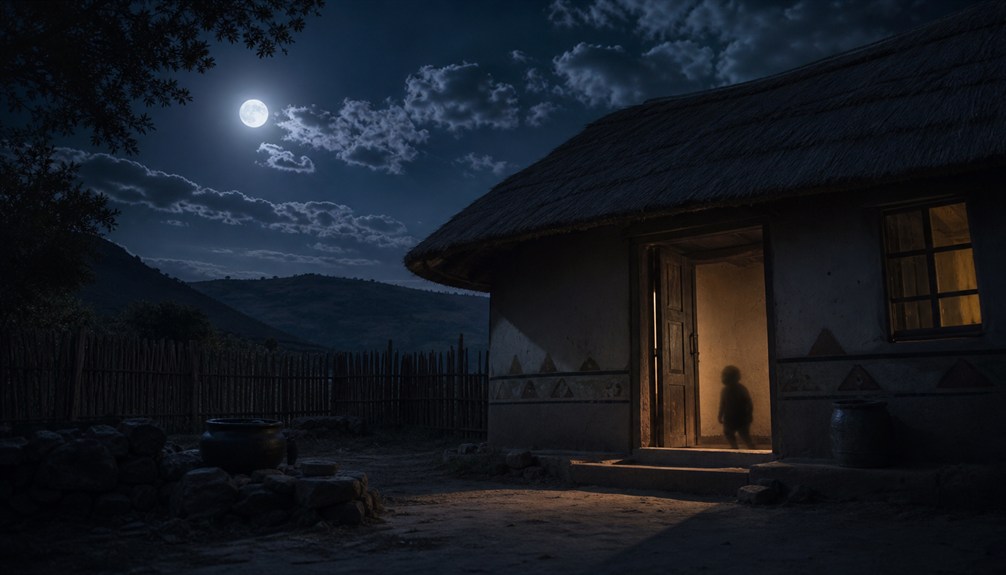
Tokoloshe, also spelled tikoloshe, is a Southern African supernatural figure found especially in Zulu- and Xhosa-language traditions. Accounts vary, and describing it simply as an evil water spirit is misleading.
The tokoloshe in the surviving tradition
Stories may present the tokoloshe as a small, hairy, humanlike being, a witch’s familiar, a dangerous night visitor, or an invisible cause of trouble. Some descriptions connect it with water, while others focus on bedrooms, households, livestock, or sorcery. No single body shape or origin covers all tellings.
Texts, objects, and evidence
A widely repeated explanation says people raise beds on bricks to avoid the tokoloshe. Raised beds have many practical reasons, and the folklore claim should not be offered as a universal cultural fact. Colonial and apartheid-era writers often sensationalized African beliefs, while modern horror uses the name for a generic monster.
Key points
- Language: Tokoloshe is associated with several Nguni-language traditions, and spellings reflect different transcription.
- Sorcery: Some accounts say a witch sends or controls the being. This belongs to a social world of accusation and fear, not a safe method for identifying anyone.
- Sexual danger: Stories can include assault or nighttime pressure. Discussion should avoid making light of the threat.
- Not a summoning guide: Instructions that claim to summon or repel a tokoloshe are not reliable folklore scholarship and can encourage harm.
How to read the material
African folklore is not one system. Sources should identify language, region, collector, and historical setting rather than treating one online list as traditional law.