
playful water dwelling tricksters

Kappa Mischievous Water Imps

Accuracy note: Surviving accounts do not form one fixed canon. Names, relationships, and episodes can differ by author, region, and period, so traditional narrative and later interpretation are kept separate.

Origins and Mythology

Youtube video

Kappa, mystical water imps, occupy a unique space in Japanese folklore, their origins intertwined with ancient deities and mischievous spirits. The term itself, ‘kawaappa,’ conjures imagery of playful yet cunning beings, reflecting humanity’s complex relationship with water – a life-giving yet treacherous element.

These creatures embody archetypal themes of duality, their benevolent and malevolent natures serving as reminders of nature’s unpredictable power. Their connection to deities shows a reverence for the natural world‘s capriciousness. Kappa invoke fear and respect, teaching lessons about the thin line between sacred and profane.

In Japanese culture, kappa blur boundaries between humans and the supernatural, acting as guardians and tricksters. Their origins underscore a narrative where the natural and spiritual worlds intertwine, urging recognition of the inherent duality within nature and ourselves.

Physical Characteristics

describing physical attributes in text

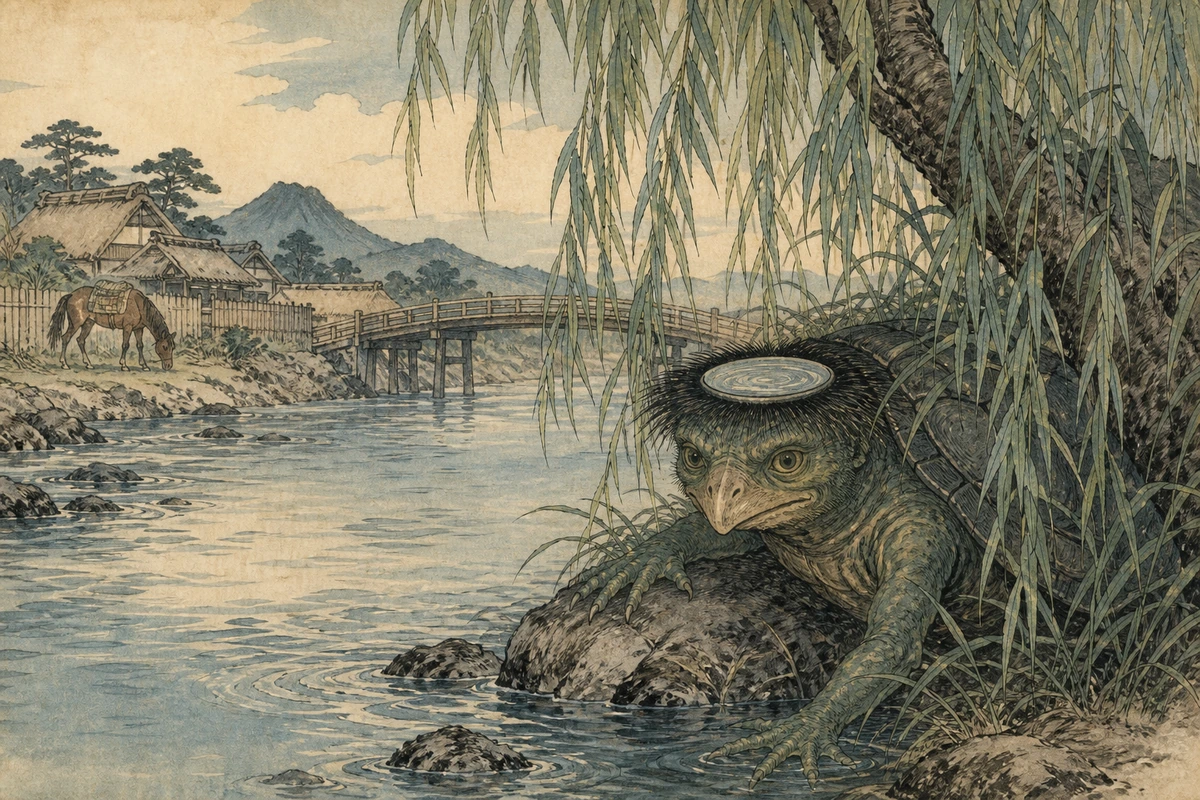
These eerie beings called kappas flaunt a fusion of the familiar and strange in their physical traits. Their greenish, scaly skin shimmers like amphibians, hinting they dwell in both water and land worlds. This skin bridges those two worlds, the terrestrial and aquatic. Webbed hands and feet accentuate their liminal nature, allowing seamless movement across environments.

Atop their heads sits a saucer-like cavity, a reservoir holding water vital to their power and strength. This symbolizes their important connection to the life-giving element. Their beak-like mouths evoke images of primordial creatures from ancient times.

Habitat and Lifestyle

life in the mangroves

Kappas, mischievous water spirits, dwell in serene freshwater sources like rivers and ponds. Their webbed hands and feet allow them to glide gracefully through these aquatic worlds. Beyond their physical ties to water, kappas symbolize life’s important mysteries existing alongside the familiar.

Kappas’ fluid movements mirror life’s unpredictable ebbs and flows. Through mythology, they interweave the tangible and ethereal, remaining cherished figures in Japanese folklore‘s rich tradition.

Famous Kappa Stories

folklore of mythical creatures

Among kappa folklore, these stories highlight their cunning, trickery, and intertwined relationship with humans. One well-known tale involves a kappa seeking medical aid from a doctor after an injury, depicting the delicate balance between the supernatural and human skills as rivers and lakes seem interwoven with daily life.

Another narrative recounts a clever priest outsmarting a kappa by tricking it into bowing deeply until its life-sustaining water spills out, showcasing the vulnerability of kappas despite their power. It’s a classic story of wit prevailing over brawn.

The legend of the Kappa and the Sushi Chef tells of a kappa teaching a chef the art of cucumber sushi rolls in exchange for sparing its life, underscoring mutual respect and knowledge sharing across worlds.

These folktales explore three central themes surrounding kappas:

  1. Trickery and quick-wittedness
  2. Human ingenuity overcoming supernatural abilities
  3. Cross-cultural exchange of wisdom

Each story invites contemplation of humanity’s multifaceted bonds with mystical river and lake dwellers woven into the social fabric.

Protecting Yourself From Kappas

defending against mythical creatures

Understanding kappa mythology means knowing their quirks. Offering cucumbers or refilling their water dishes can turn them from pests to allies. Making them bow reveals their vulnerability – humility triumphs in mythological encounters.

Identify Kappa Threats

Safeguarding against kappa’s treachery requires understanding their sinister methods and the dangers they pose near water sources. These malicious tricksters are infamous for dragging unsuspecting victims, especially children, underwater, resulting in tragic drownings. But their cruelty extends further – they’re believed to extract the shirikodama, a mystical entity said to contain one’s soul, leading to death.

  1. Drowning Tactics: Kappas lie in wait near water to pull their victims under, symbolizing unseen perils in life’s depths.
  2. Soul Extraction: By taking the shirikodama, kappas metaphorically steal an individual’s essence, symbolizing spiritual fragility.
  3. Deceptive Playfulness: Their playful guise masks sinister intent, warning against trusting appearances.

Recognizing these elements enables vigilance and protection for ourselves and loved ones.

Effective Defensive Techniques

Steering clear of water imps like kappas requires vigilance and protective measures. Venturing too close to rivers or ponds puts you at risk of their strong grip intent on dragging you into the depths. But there are tried-and-true defenses.

Eat cucumbers before entering the water – these vegetables have purifying properties kappas avoid. If confronted on land, bow deeply to make the water spill from the dish atop their heads, sapping their strength. Refilling this dish earns their gratitude, transforming foe into ally. In old Edo Tokyo, sending cucumbers downstream kept these spirits at bay as protective offerings.

Each tactic rooted in folklore helps navigate regions where kappas lurk. Staying informed about such mythological beings and their perceived weaknesses provides a layer of security against potential encounters. While rare today, maintaining traditions offers cultural wisdom for peaceful coexistence with nature’s obscurities.

Kappa in Modern Culture

japanese folklore creature resurgence

Kappa water sprites continue swimming through Japan’s cultural currents. Their playful presence remains through cucumber sushi rolls and riverside warning signs. These aquatic tricksters’ mischievous aura, tied to the element of water, still ripples through the national consciousness. Familiar kappa imagery reminds people of respecting yet exercising caution around nature’s unpredictability.

Kappas manifest across Japanese society, like in cuisine. Their beloved cucumber has become a sushi roll staple, "kappa maki." It’s a compact nod to these water imps intertwined with culinary tradition.

Near rivers and lakes, signage warns about kappas, blending mythology with real-world safety advisories. Kappa sushi rolls symbolize folklore merging with daily sustenance, making each bite honor these mythical beings. Through stories, visuals, and food customs, the kappa educates newer generations on Japan’s rich mythological heritage.

The kappa, that watery symbol of playful mischief, remains woven into modern Japanese life, ancient lore intertwining with the contemporary fabric.

Sources and related reading

Scroll to Top