
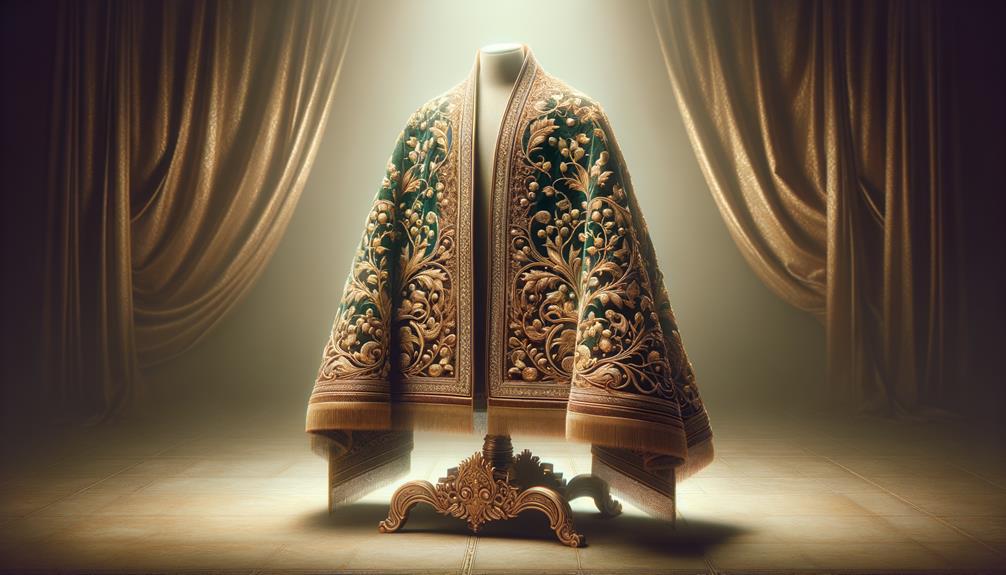
Accuracy note: Objects identified as the Prophet Muhammad's cloak are revered within particular custodial traditions. Their attribution is a matter of religious and historical tradition, not something that can be independently proven from the object alone.
Historical Significance

Custodianship and Rituals
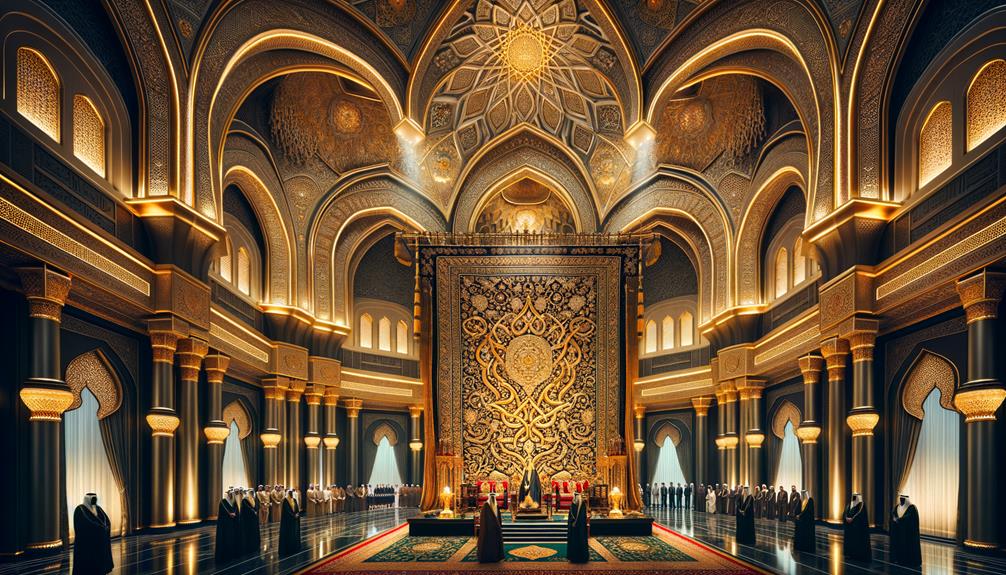
Custodianship of Prophet Muhammad’s cloak holds important cultural significance, with generations entrusted as protectors of this revered relic. A chosen family in Kandahar carries this responsibility, safeguarding the cloak within layers of silver boxes, secured by multiple locks. Their role extends beyond mere guardianship; it’s a sacred duty.
Rituals surrounding the cloak are deeply rooted in Afghan traditions, performed with utmost reverence to honor the miraculous powers attributed to it. The shrine stands as a sanctuary, with stringent security measures ensuring the cloak’s preservation.
During national crises or calamities, people seek the cloak’s healing powers. Pilgrims journey to the shrine, their hearts burdened yet hopeful, seeking solace and divine intervention. Each ritual, each prayer reinforces the bond between the sacred relic and those who believe in its transformative influence.
Legends and Stories
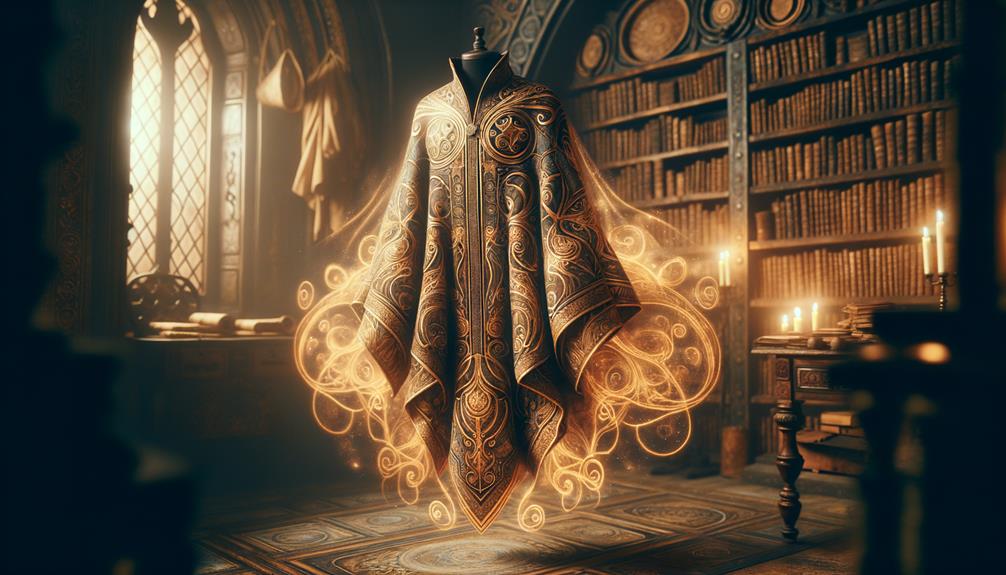
Sacred storytelling envelops the Khirka Sharif, Prophet Muhammad’s cloak, with important meaning across generations. Owais Qarni, a devoted companion who never met the Prophet, shared a spiritual connection so important it defies explanation. His family has guarded the cloak since 1611.
Miraculous Powers
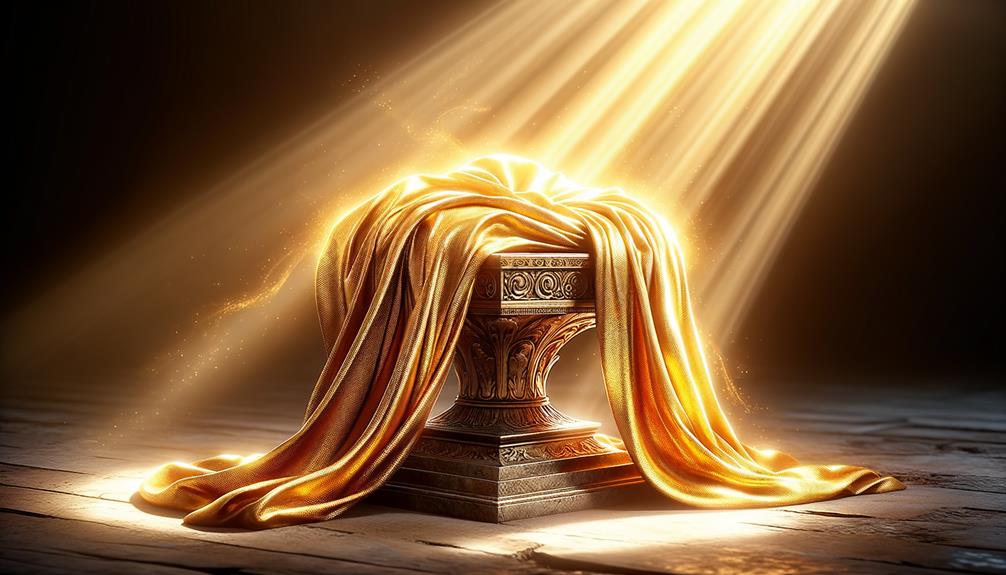
Many devotees believe Prophet Muhammad’s cloak emanates extraordinary powers, offering divine protection and healing to those in need. In Islamic tradition, this sacred relic extends beyond its material form – it’s a conduit for the Prophet’s lasting blessings.
Stories circulate of times when the cloak averted disasters and bestowed favors upon the faithful. Those seeking solace at the shrine housing the cloak often report important transformations, whether recovering from ailments or receiving safeguarding from harm. The cloak’s association with spiritual healing provides comfort and respite.
Visitors arrive with hopeful hearts, praying for miracles. They feel a important connection to Prophet Muhammad, drawing strength and courage through their faith in the cloak’s extraordinary attributes.
This relic symbolizes the enduring belief in Prophet Muhammad’s blessings. It continues inspiring and uplifting many, a source of hope and divine grace in challenging times.
Cultural Impact
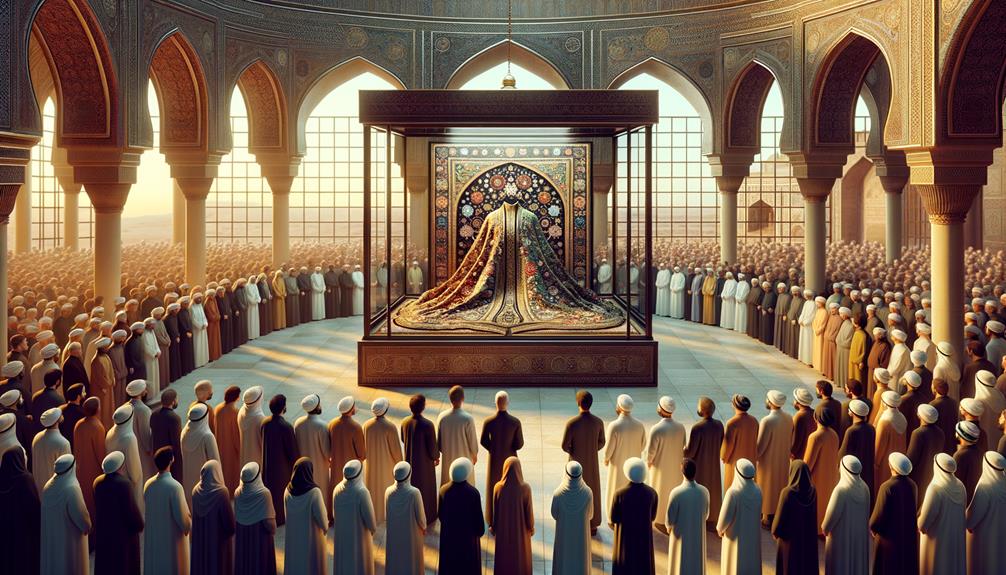
As the mosque’s doors open, a wave of emotion washes over visitors. Tears flow freely, prayers echo through the halls, and palpable excitement fills the air. Witnessing the cloak extends beyond mere observation, stirring a important connection to the Prophet’s legacy and their heritage.
This annual pilgrimage isn’t just a tradition; it’s a spiritual quest to strengthen cultural and religious identity. Religious leaders underscore the cloak’s immense significance through their sermons, amplifying its impact.
Despite temporary halts during the COVID-19 pandemic, the allure of the cloak endures. Journeying to witness this extraordinary artifact remains an indelible rite, solidifying its place in the hearts of the faithful across generations.
Sources and related reading
- Honjo Masamune Sword Legends on MythologyVault
- Ark of Covenant Biblical on MythologyVault
- The Metropolitan Museum of Art: medieval art resource